It’s now about four years since we first decided to join a trip that was being planned by our church to experience the Passion Play at Oberammergau, a village in southern Germany. We chose a tour that would be based in Koblenz, the city at the confluence of the Rhine and Moselle rivers. All booked and about twelve of us travelling.
But, at Gate A23 in Heathrow Terminal 5 on September 1st, ready to board BA 809 to Frankfurt, there are just four of us. The delay resulting from the COVID pandemic had meant the others decided against travelling.
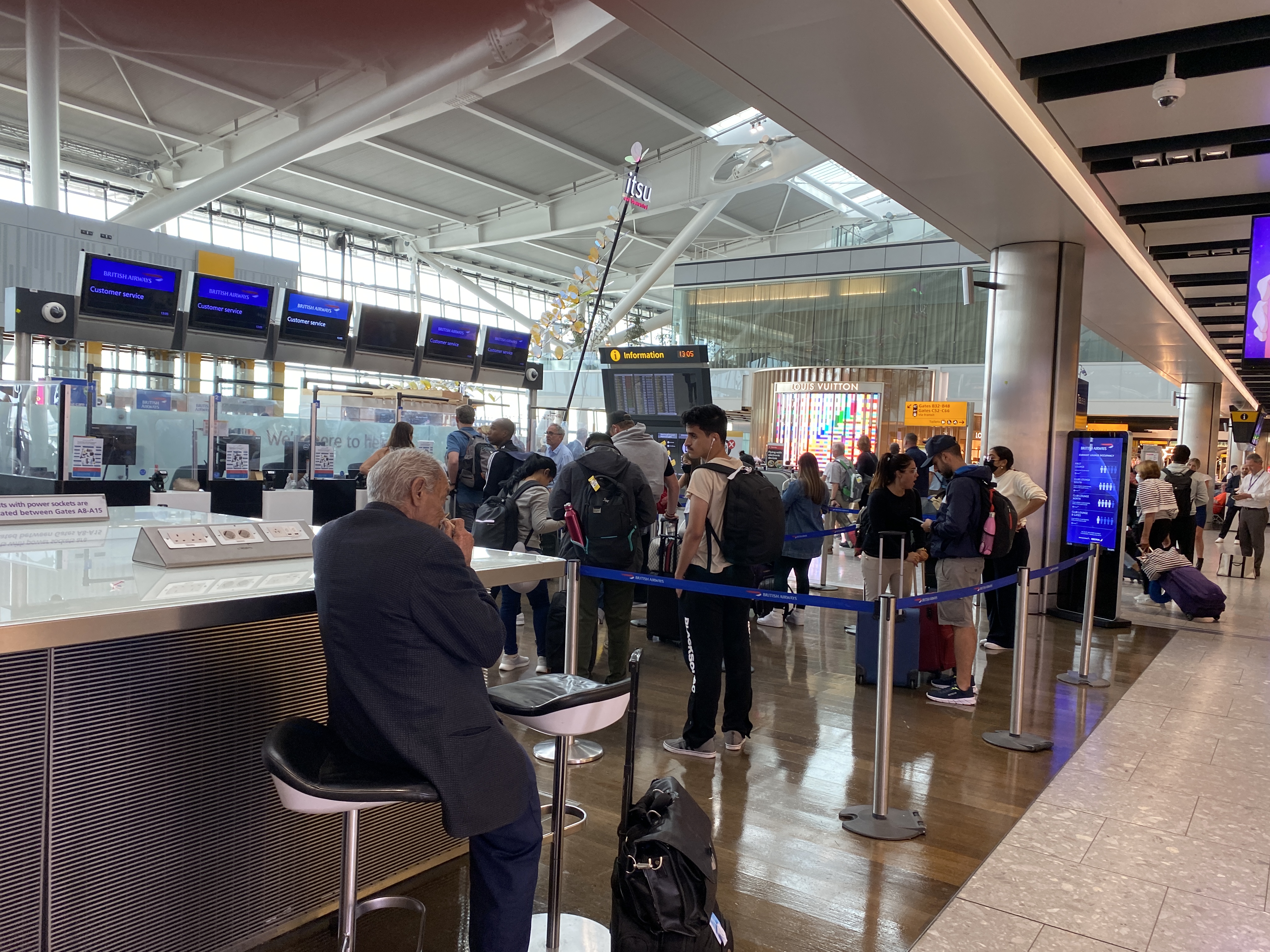
Mildly frustrated at not being able to drop our baggage off until two hours before our departure time, we used the opportunity to drink a leisurely cappuccino near the bag drop channels and then managed to drop the bags just a few minutes early before going through Security – busy but flowing steadily- and making our way to the lounge that had been booked in advance. Much more relaxed than fighting our way through queues in all the usual ‘outlets’.
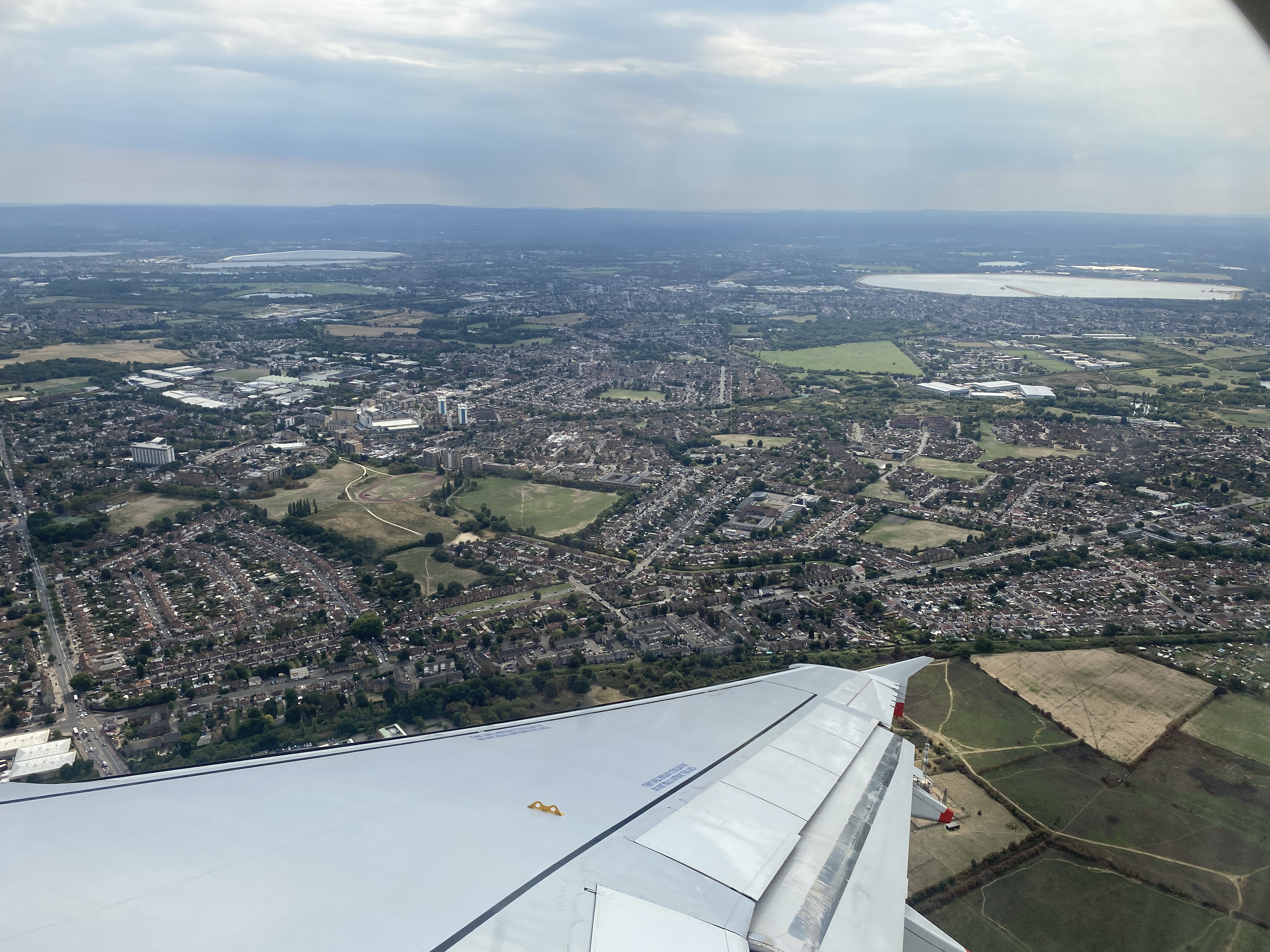
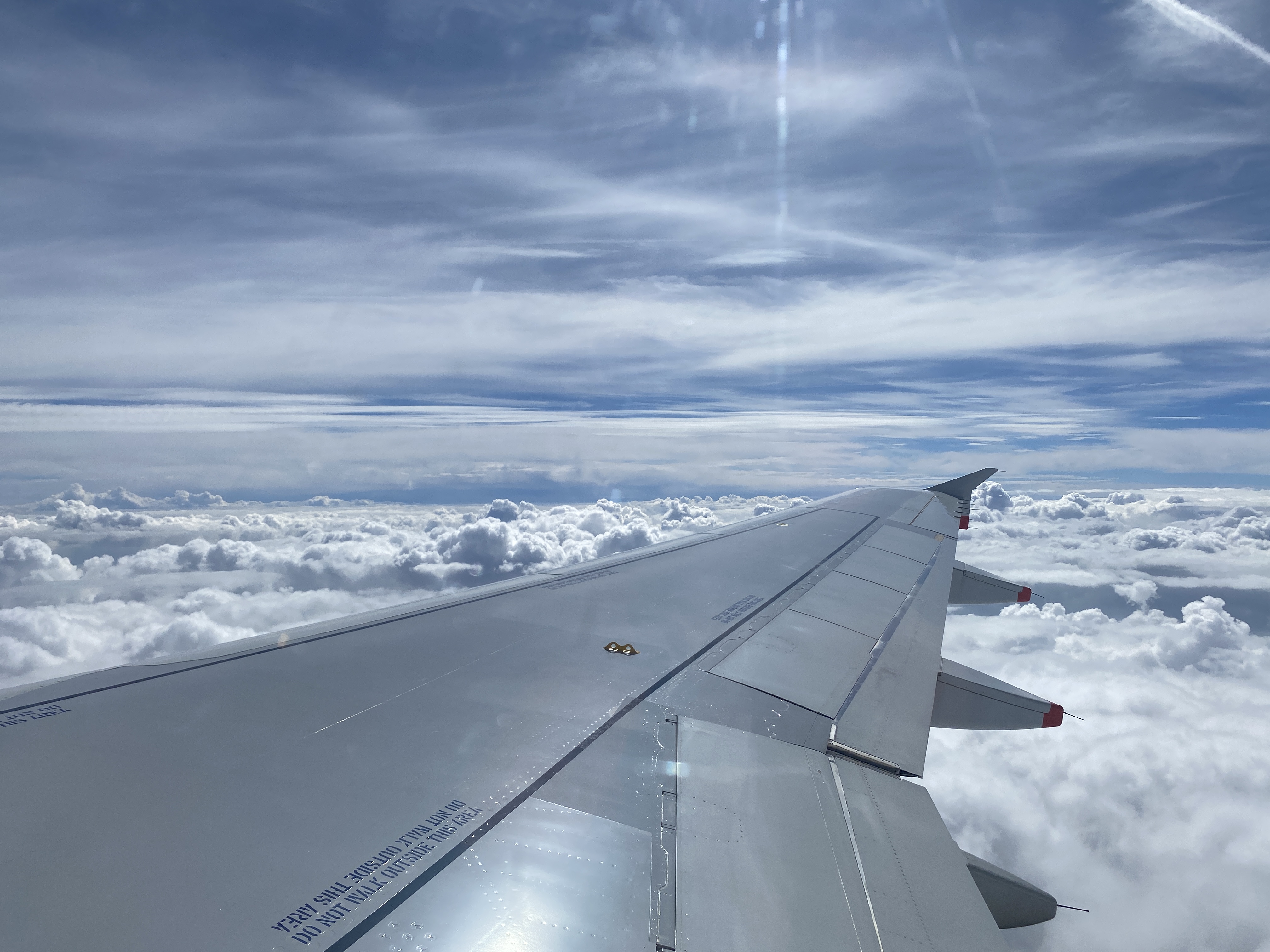
An incident-free journey had us in Koblenz mid-evening just in time to benefit from the substantial buffet at Hotel Scholz. The tour manager had been careful to point out to us that this was not a run of the mill tourist hotel and to extol the virtues of Frau Sholz the owner and manager who can be seen everywhere from reception to the bar – and she’s working, not imbibing or just surveying the scene and keeping a weather eye on the way her guests are treated. She’s very hands on!
Since then it’s been all go, with a day around Koblenz and Cochem yesterday and a trip to Trier – about 130km away from our Koblenz base – today. There are some lovely old streets and buildings and many traditional cafes as well as the gelateria and pizzeria more recently introduced.
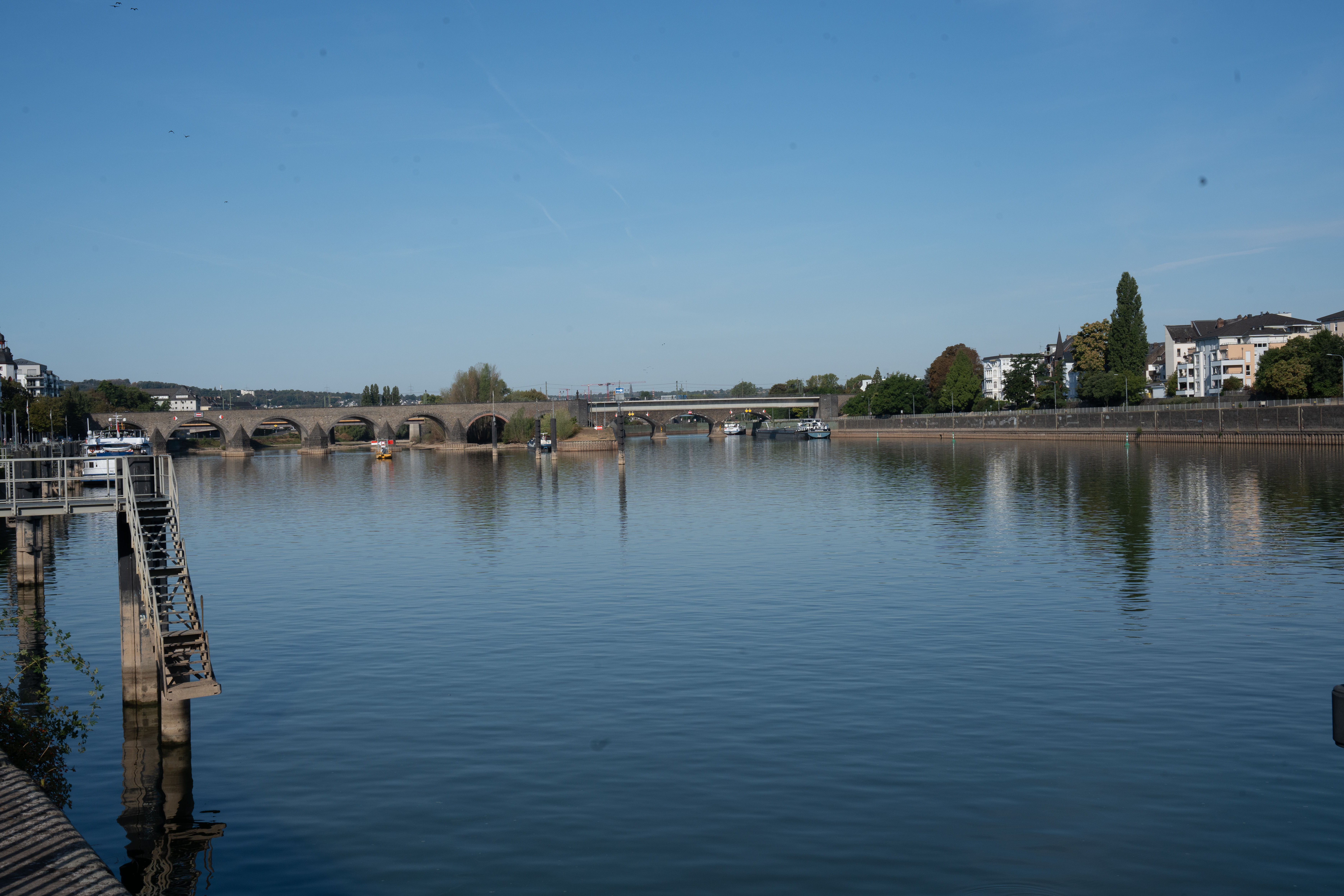
Koblenz is best known as the place where the rivers Rhine and Mosel come together.
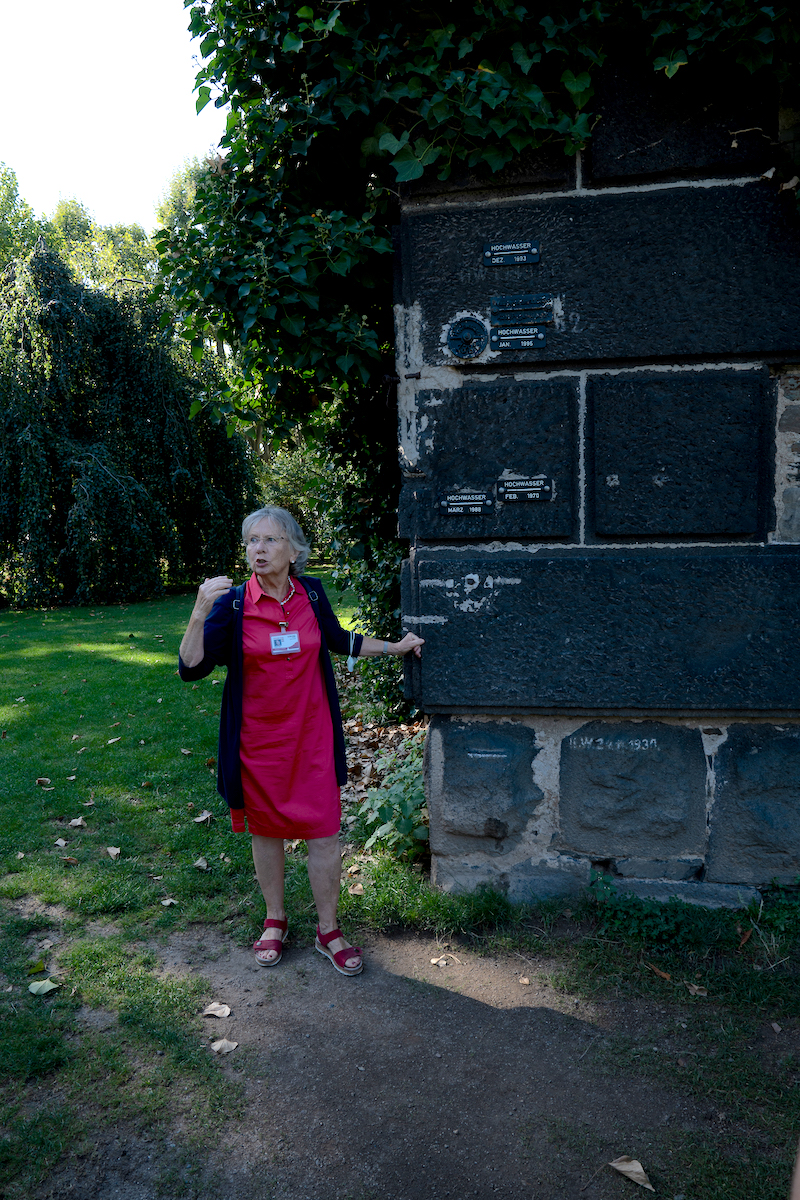
The local guide met us at our coach near the Mosel and walked us along the river to the confluence with the Rhine, showing us the slabs from the Berlin wall marking the unification of Germany and the high water points marked on the old city walls, which had been built to protect the buildings from water ingress. Floods are regular, coming at any time of year depending on rainfall and river levels and it is expected that everyone will help to clear the damage and help the city look its best again quickly.
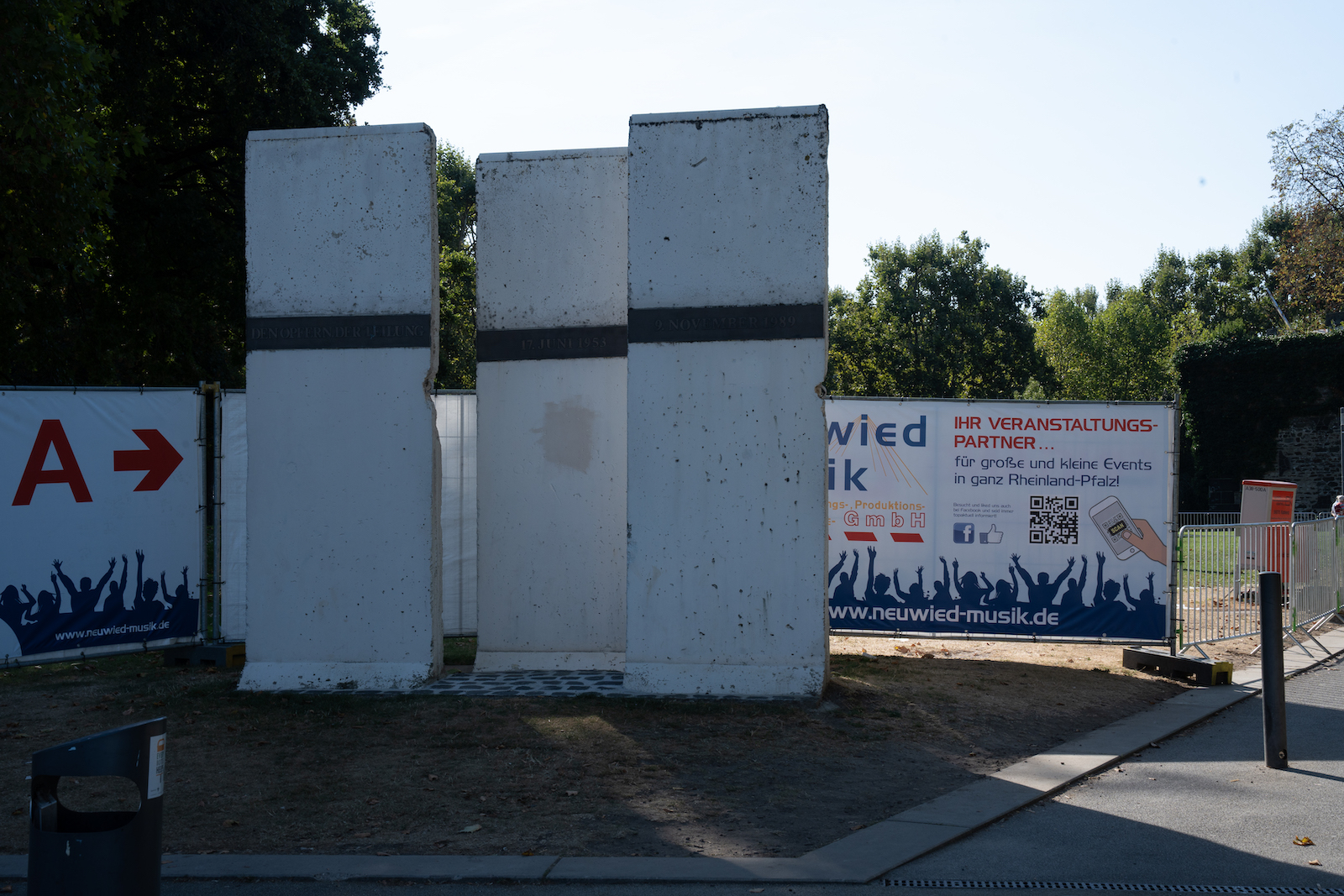
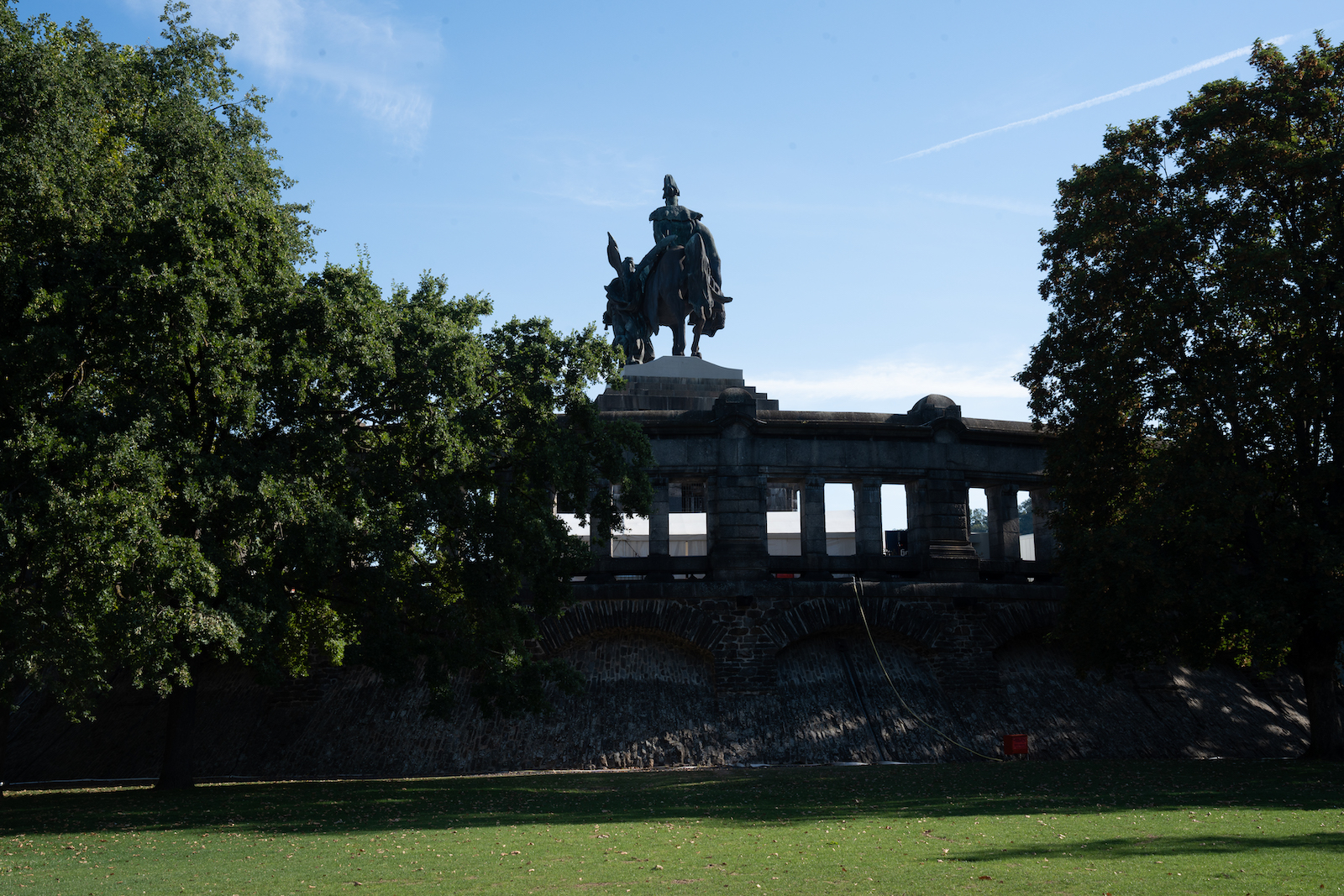
The music festival made it impossible to get to the actual confluence point – Deutches Eck – with its statue of Kaiser Wilhelm
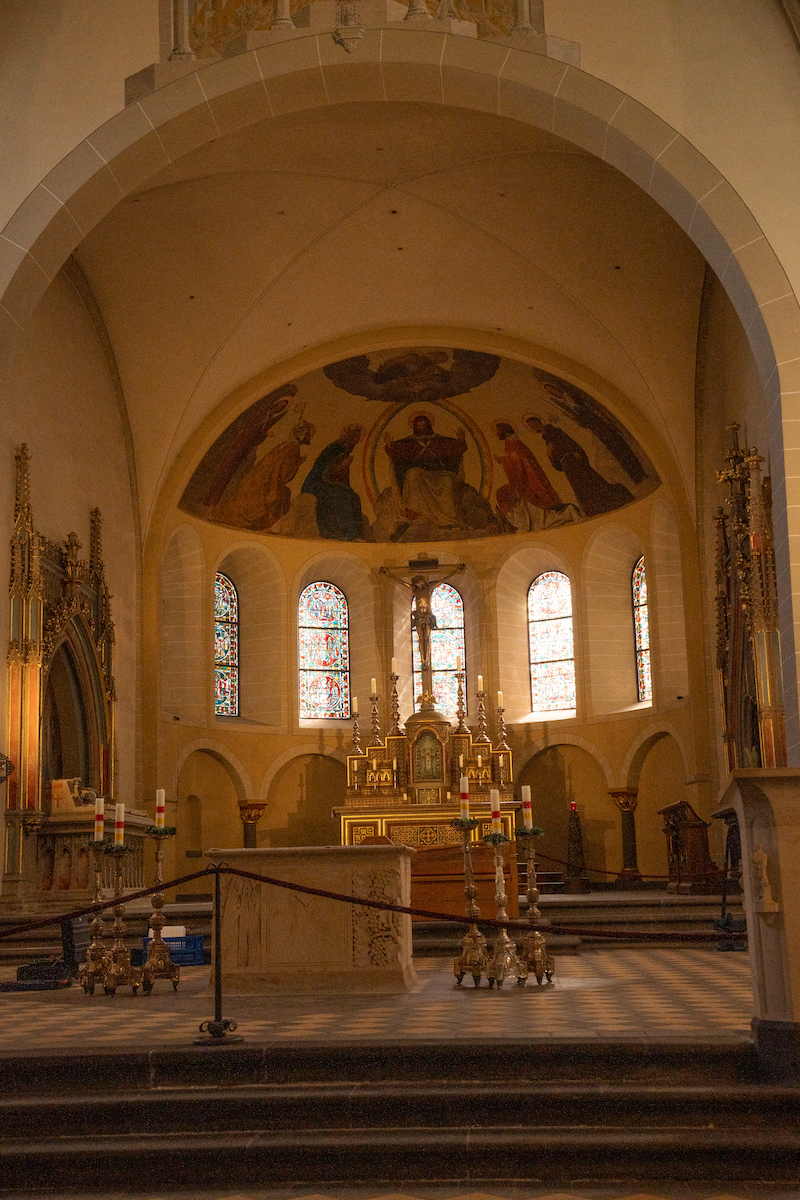
We walked through one of the churches (there have been a few!) to the Old Town
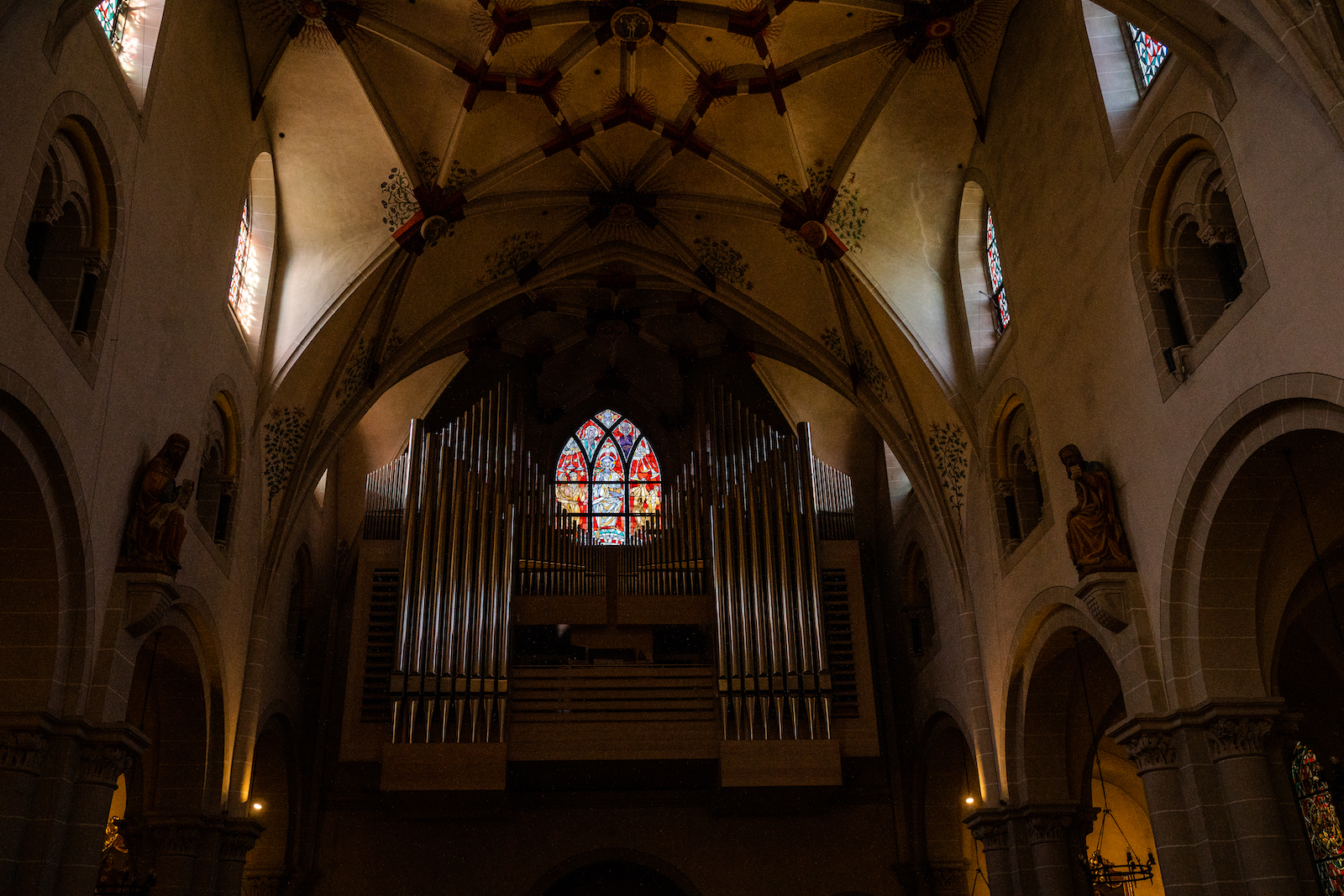
This one is famed for marking the spot where the empire was divided into three by Charlemagne, the Holy Roman Emperor.
Up to the square where a pillar displays scenes from various times in the city’s history
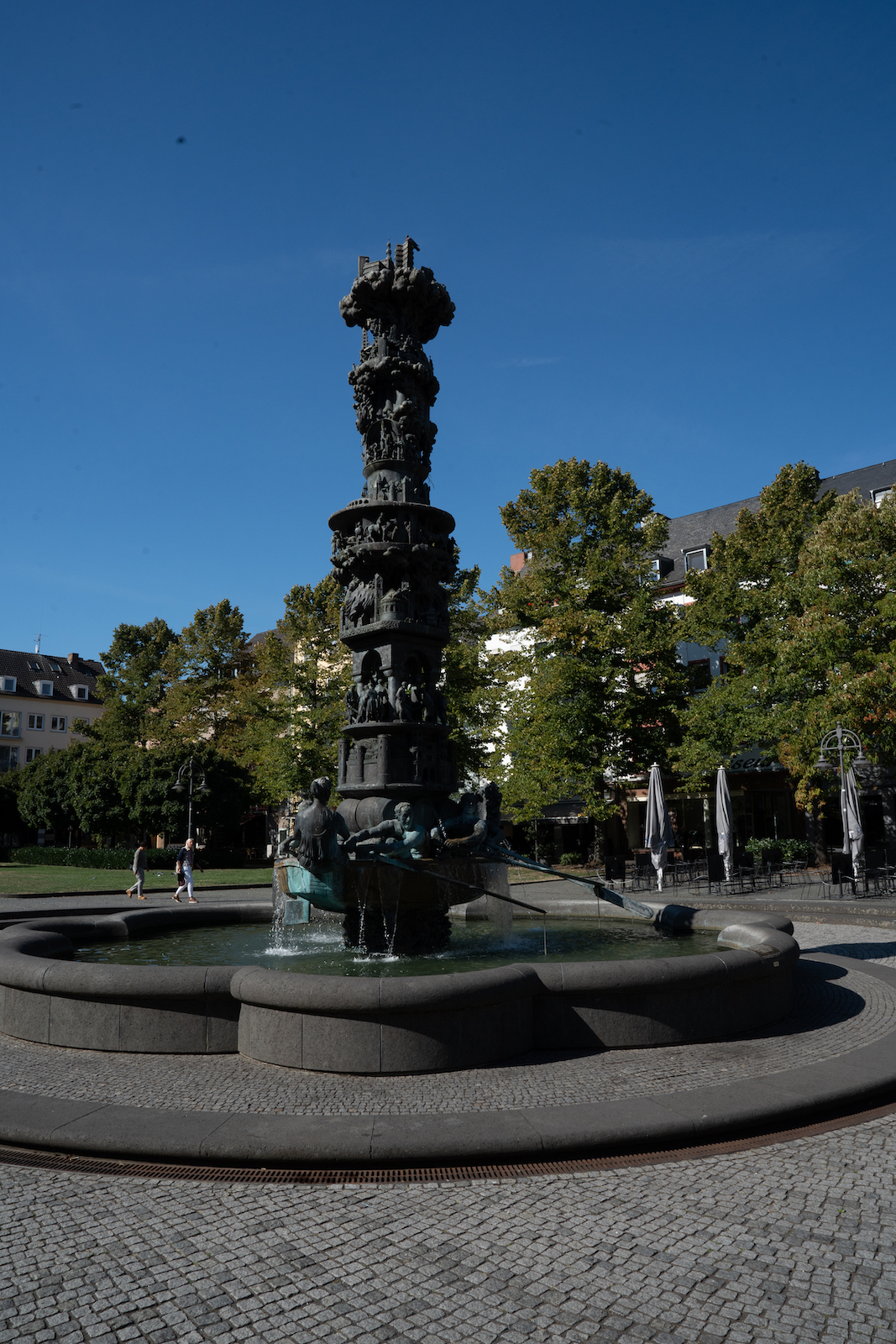
The Germans seem to have found some really interesting ways of marking historical events – and they seem quite proud of them.
Walking along a street full of shops we arrived at the Main Square where the first school had been established
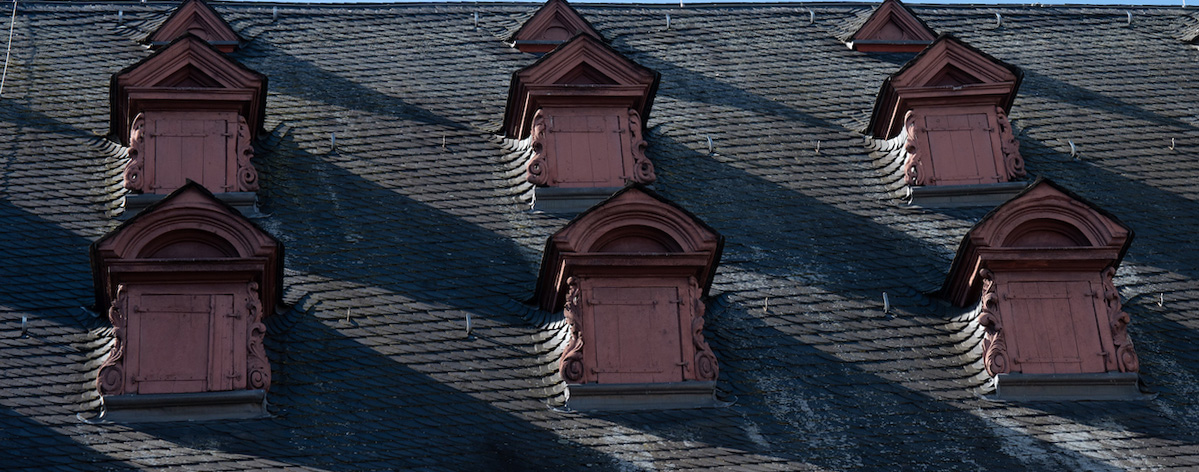
These shuttered windows, we were told, were where the first young boarders would have been housed.
Down a narrow cobbled alley – a gasse – we came to another square with some old houses and a church. But it’s most famous for Koblenz’s man with the rolling eyes
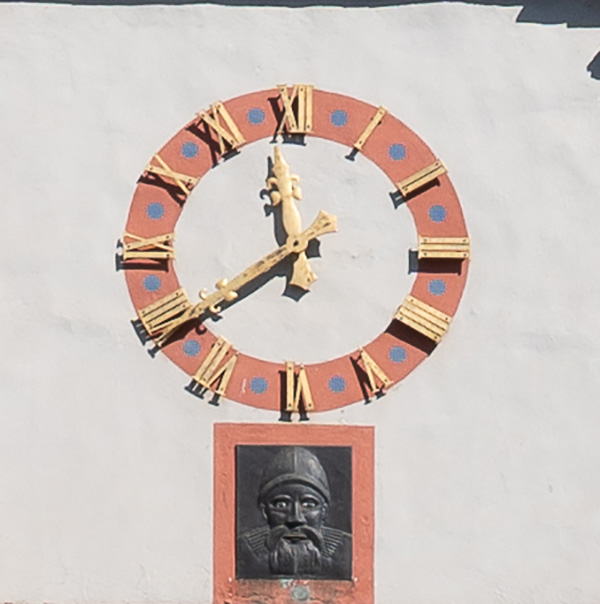
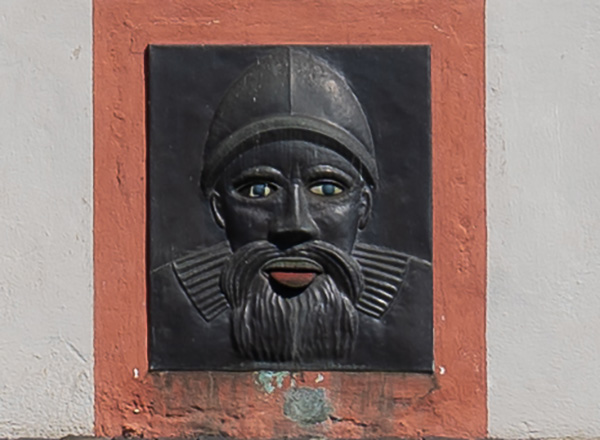
Catching him with his tongue out – apparently, he poked his tongue out at the hangman when he was executed – wasn’t difficult, but I don’t seem to have managed the rolling eyes!
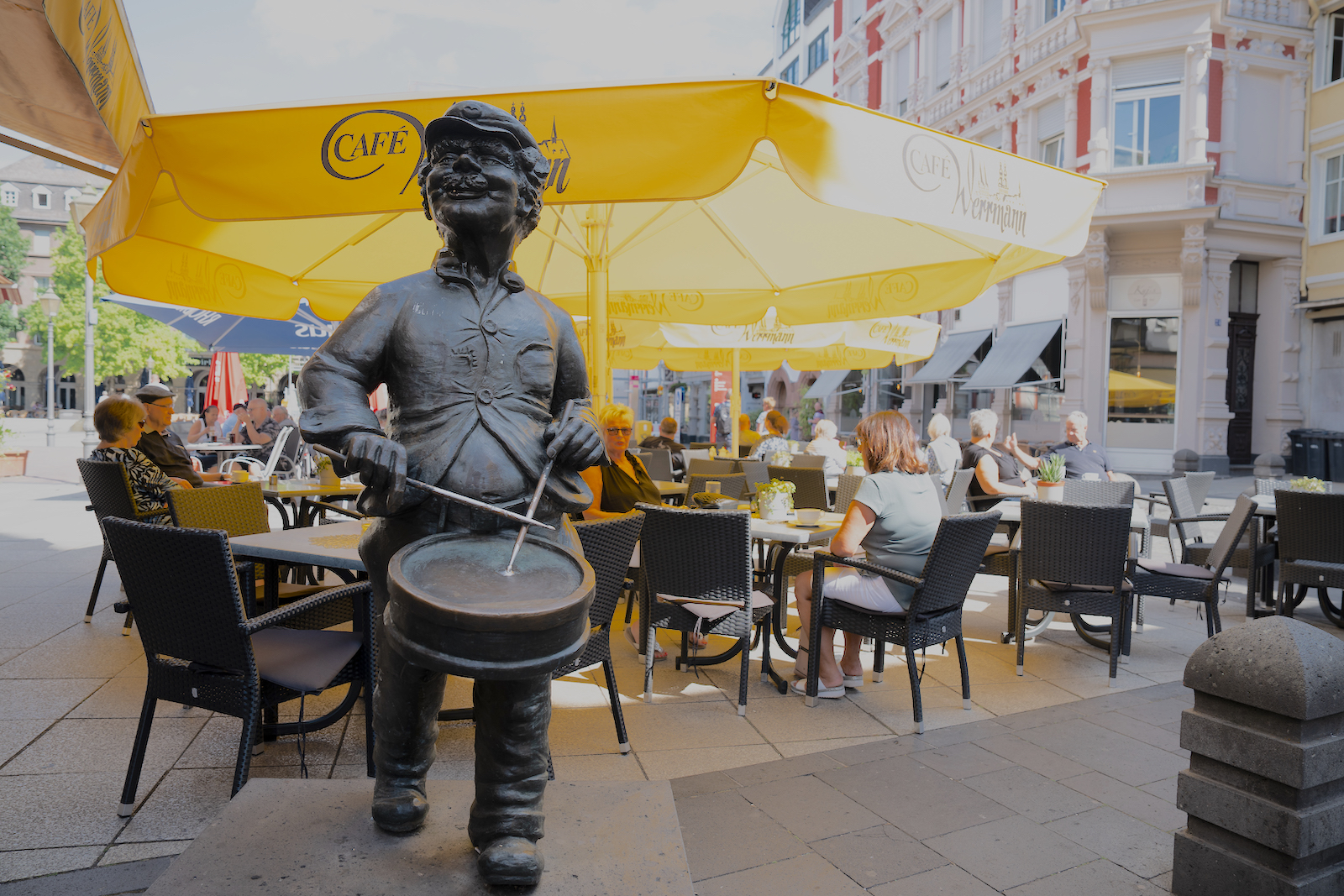
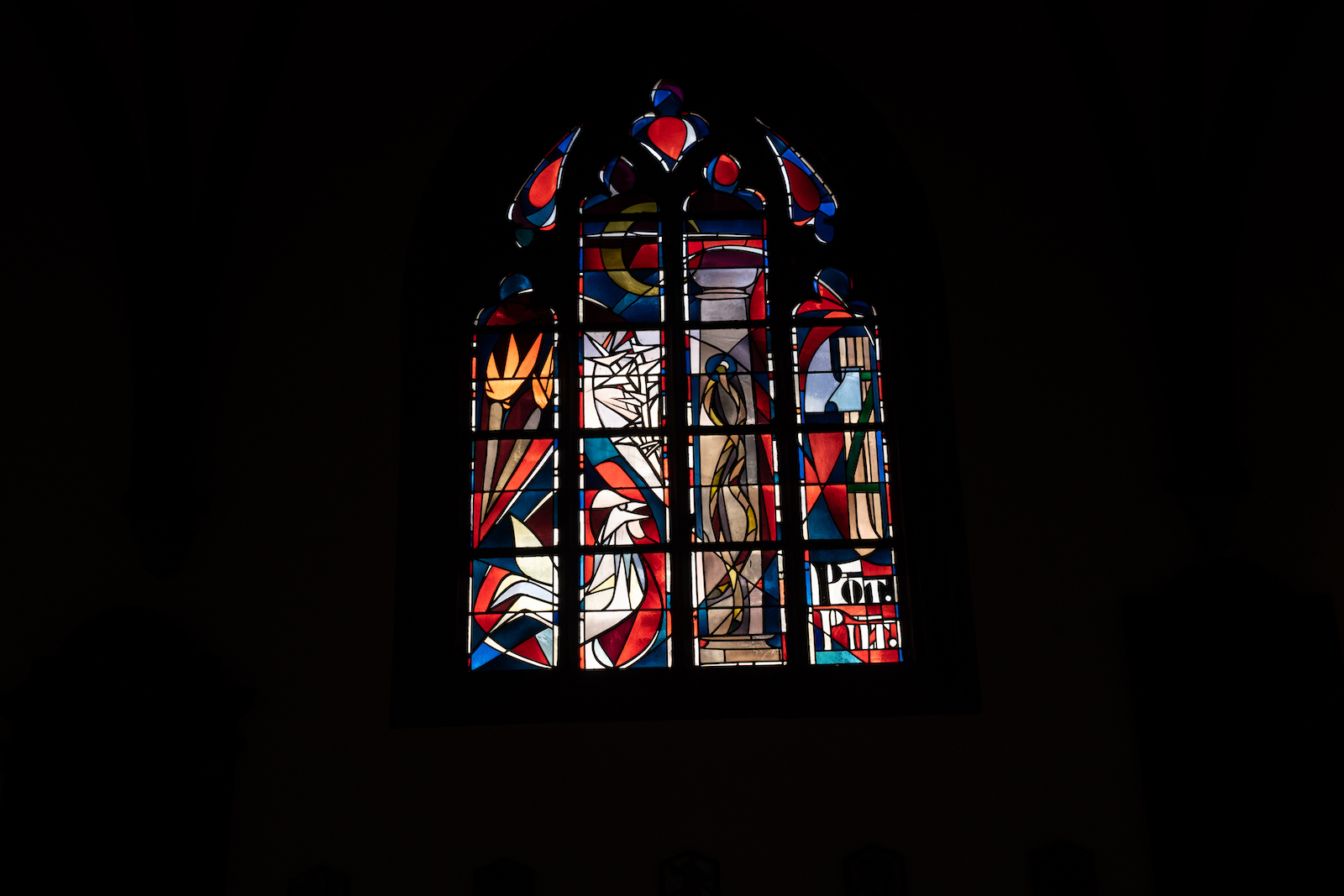
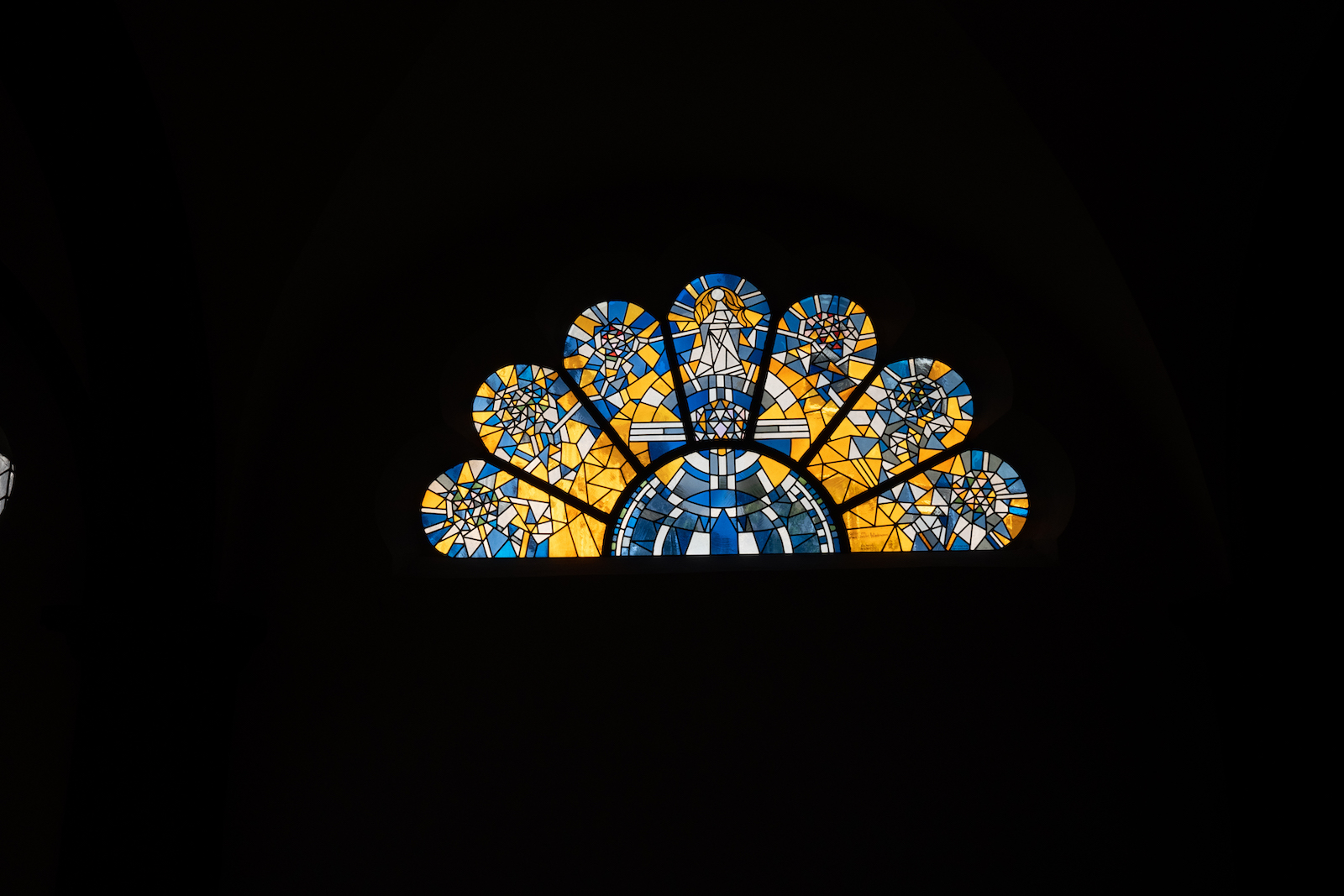
After a quick coffee in Cafe Werrmann, accompanied by our drummer friend, we made our way to the church nearby that had been pointed out to us. The Liebenfrauenkirche (Church of Our Lady) was built at the highest point of the city and, from the late middle ages until the French Revolution, was the main parish church in Koblenz. Its origins go back to the fifth century. What we enjoyed most here was the stained glass – very modern but clearly telling the stories of the life of Jesus.
Back to the river and on to the coach for our drive to Cochem where we were to spend the afternoon.
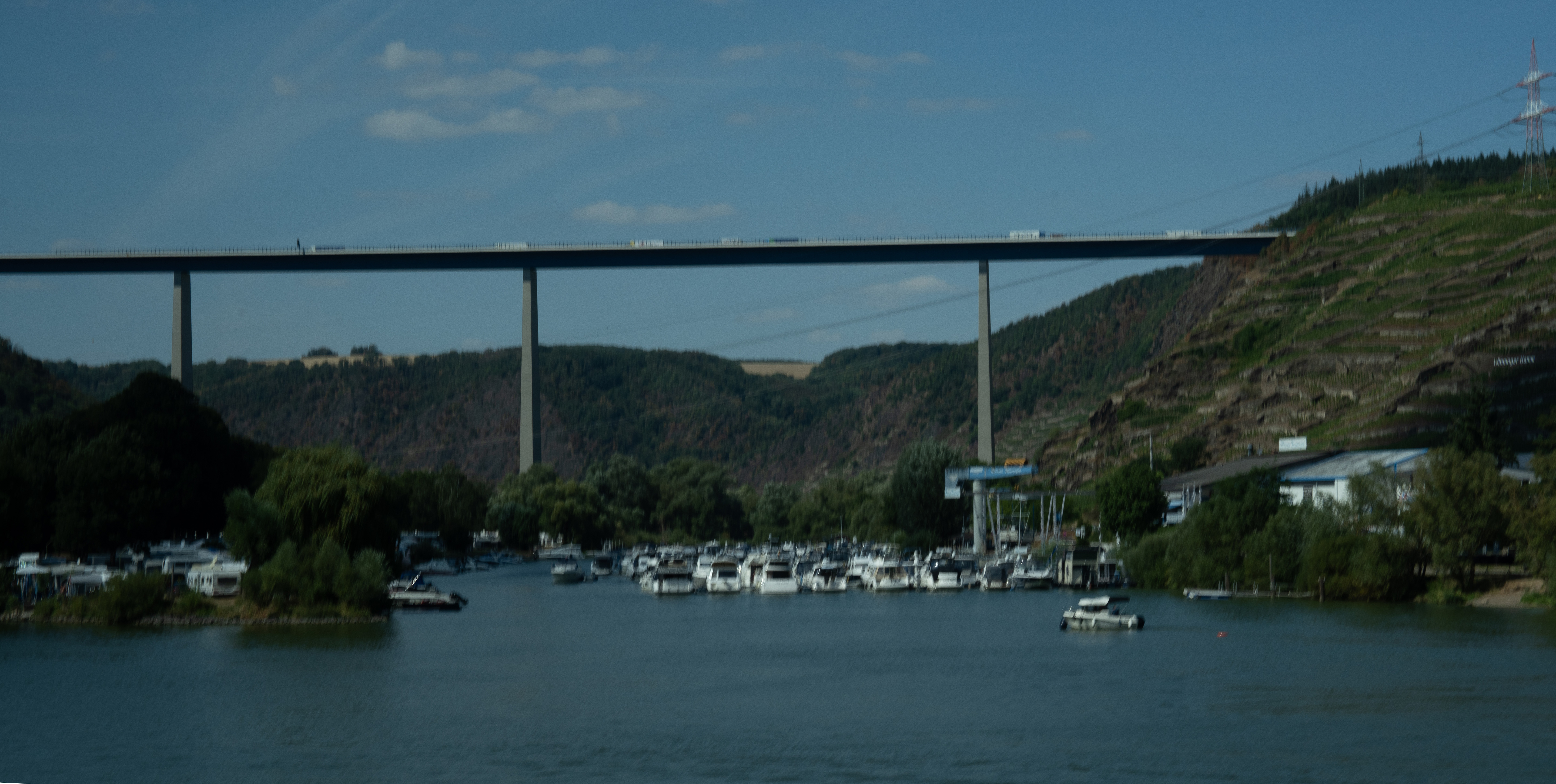
We drove under one of Germany’s highest bridges – 450 feet above the river.
The small town of Cochem spans both sides of the river and we were advised that it was worth taking the ‘Noddy train’ to see parts of it we might not otherwise find, so that’s what we did.
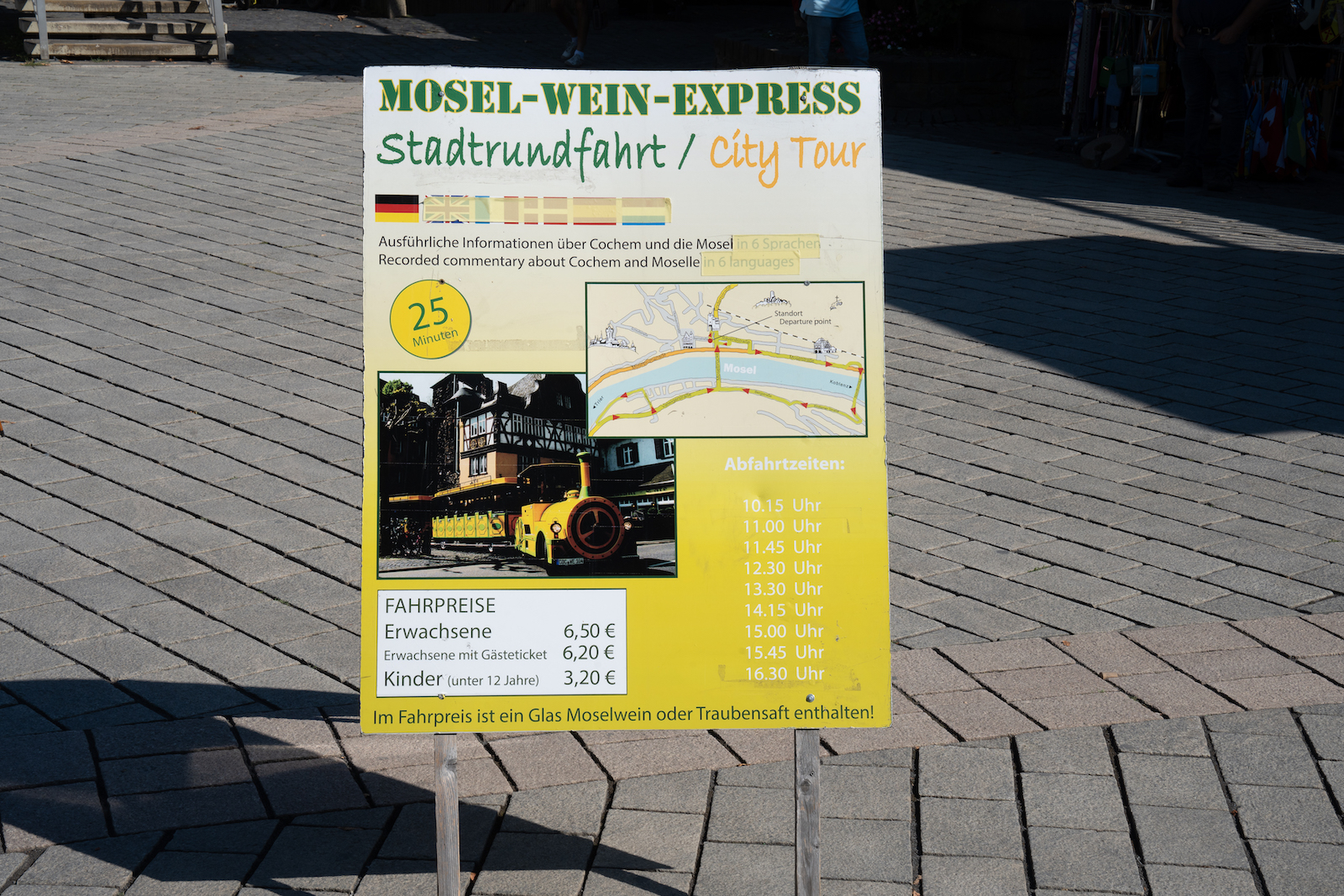
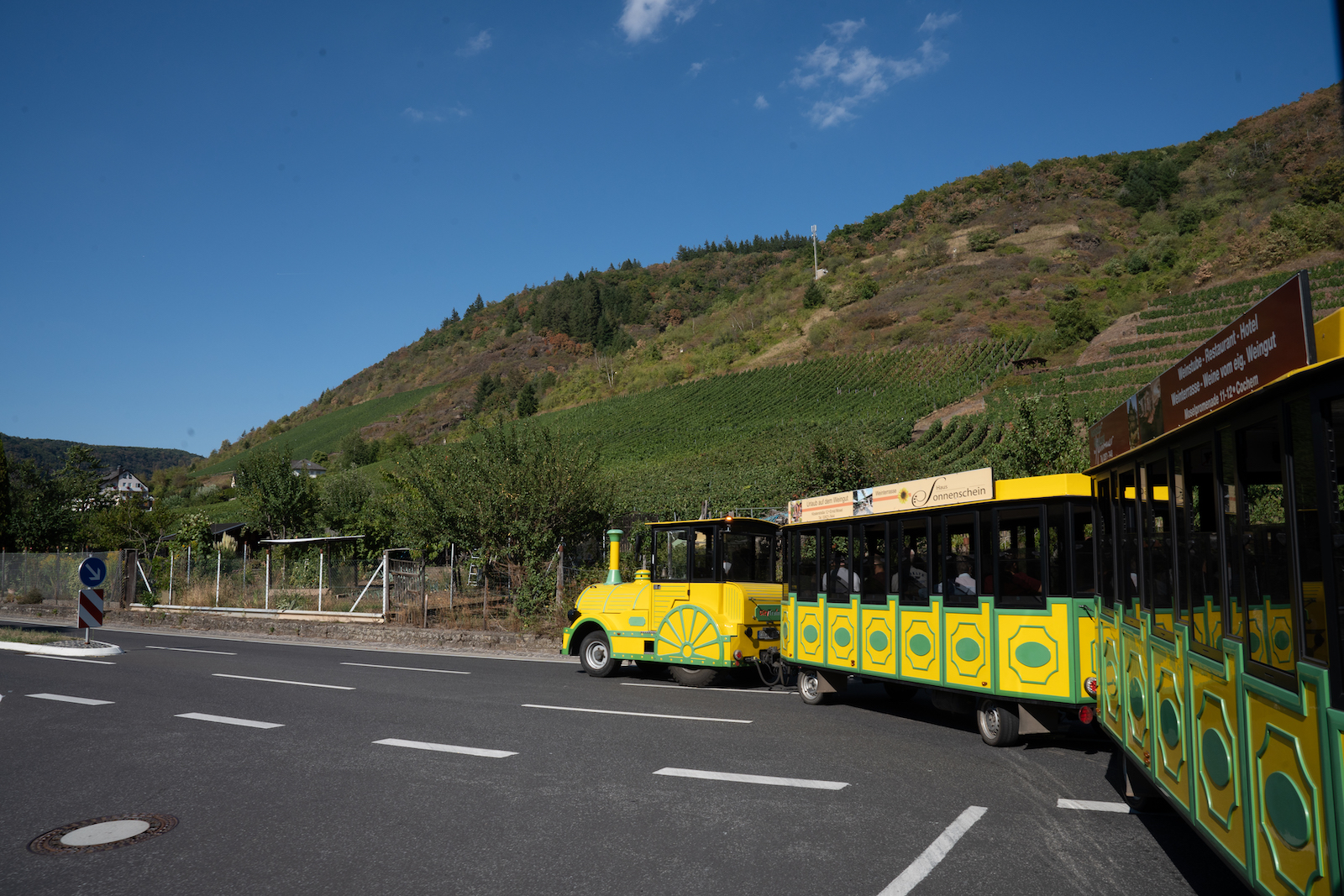
It was good to go both sides of the river and to see the local castle from different angles.
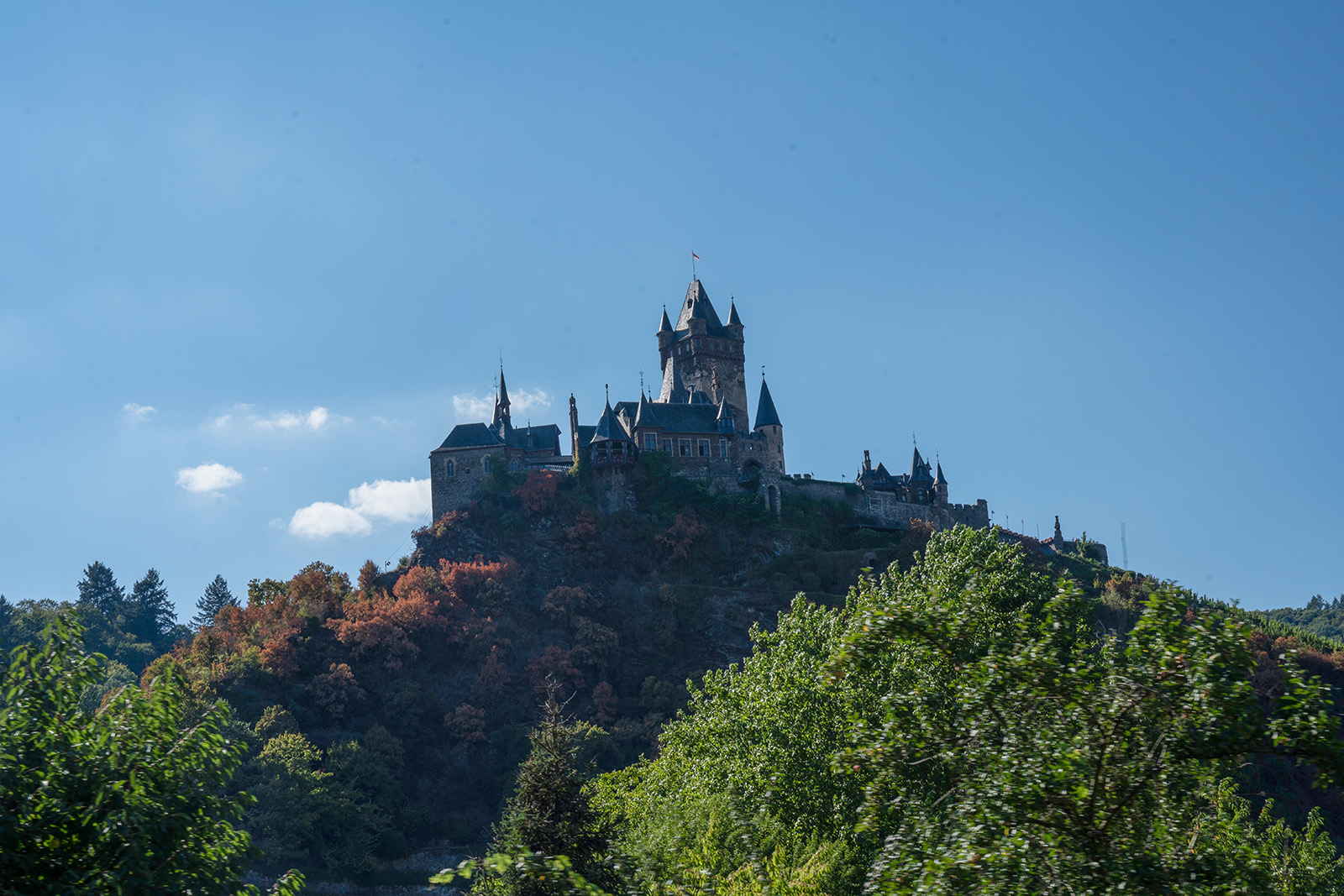
This is the largest castle on the Mosel as well as being one of the highest.
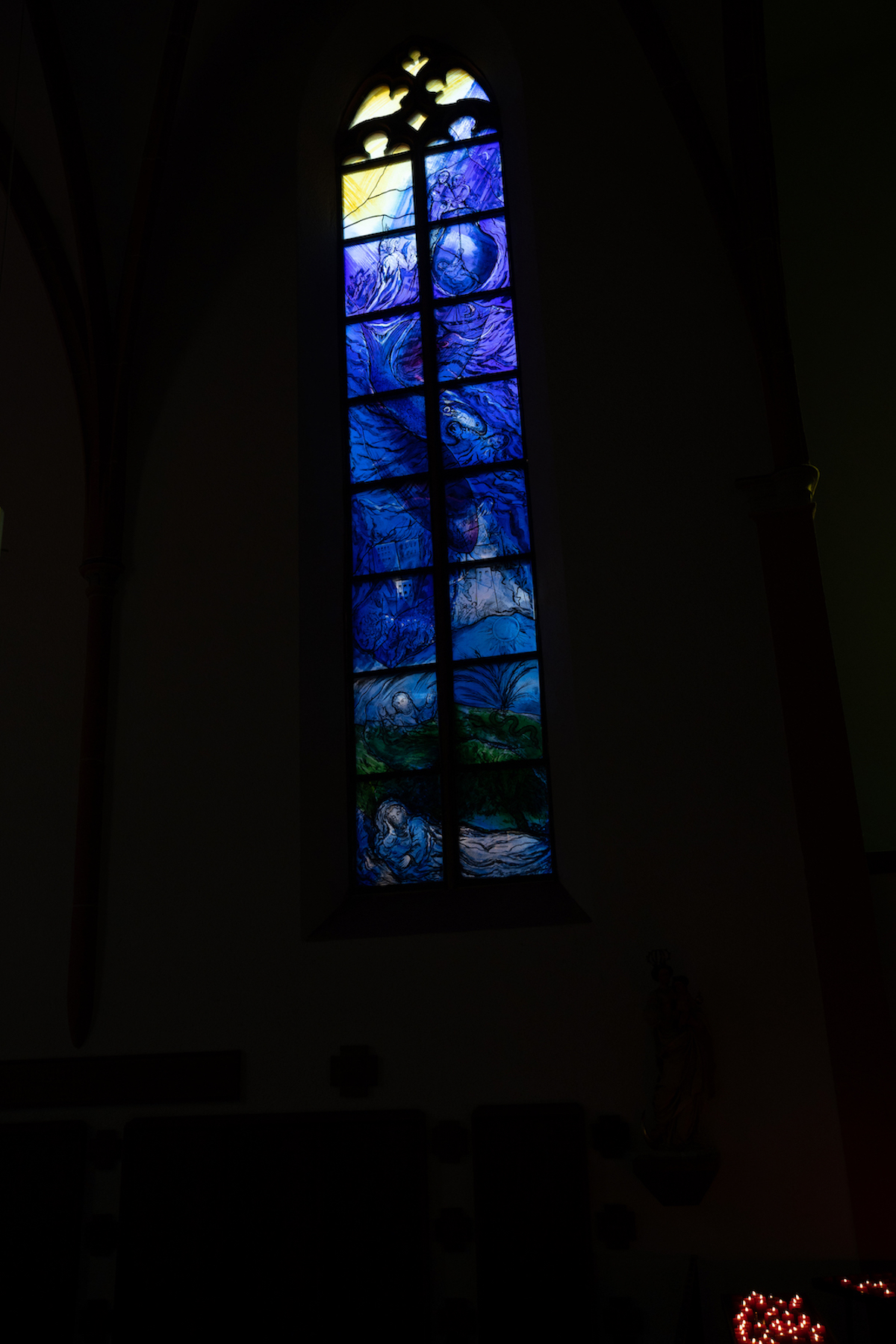
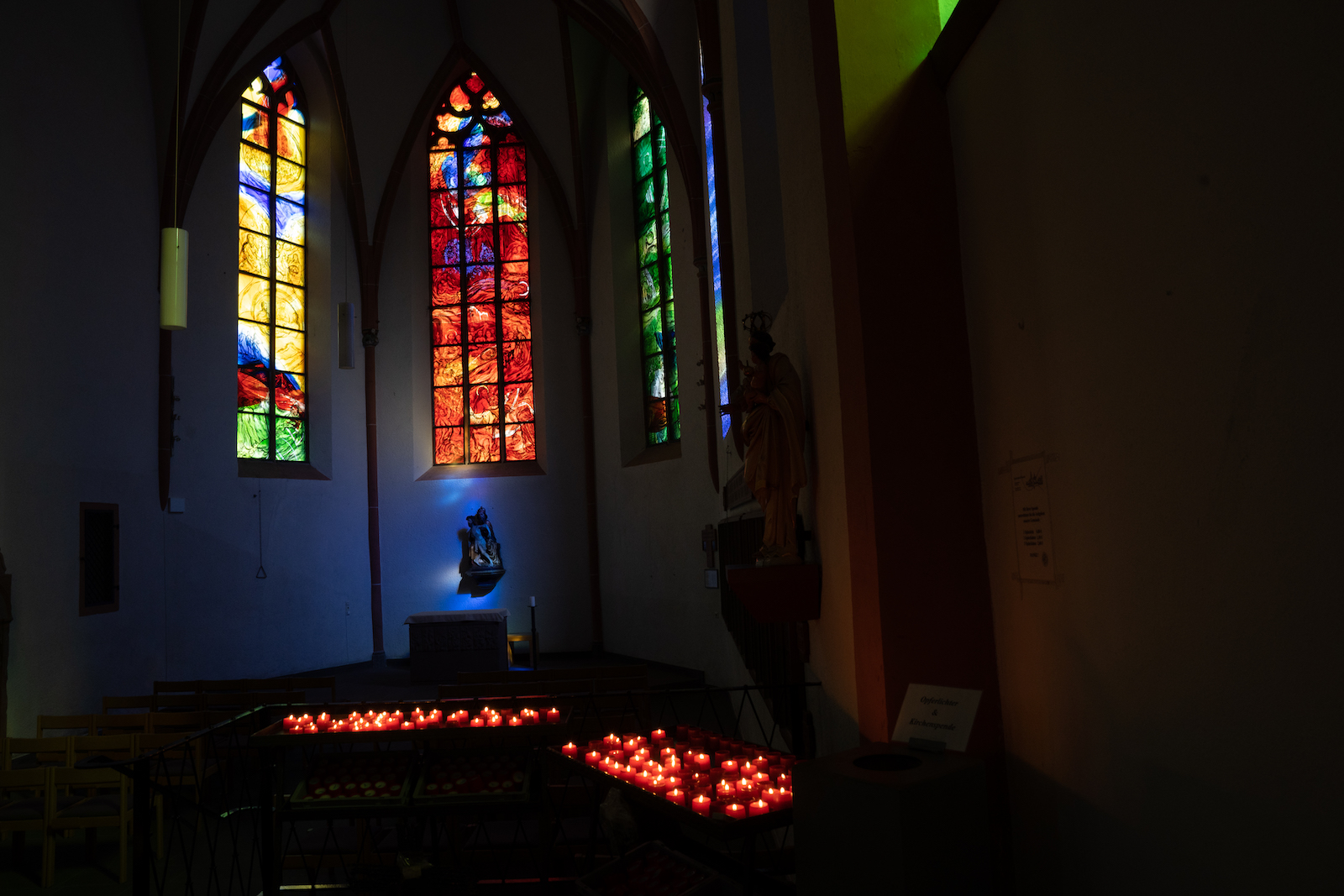
A walk along the promenade took us to St. Martin’s Church, first mentioned in chronicles as early as 1130. Since then it has been destroyed and rebuilt many times, most recently between 1959 and 1963. New church windows were installed in 2009. They have a common theme ‘God is experienced in world history and in the personal history of the individual’. They are striking and unusual in colours of blue and green.

And so it was back to the comfortable coach and a pleasant drive back along the Mosel to Koblenz.
As might be expected, we drove past many vineyards like this one in Winninger built on the hillsides. Apparently, the rails which can be seen looking like waterpipes are supports for the baskets used to harvest the grapes so that they can be carried down to the road to be transported away easily.
 Living the Journey
So glad you- and your cameras- are off on another adventure. I love the stained glass windows!!- and the photo of the shuttered windows. Enjoy, Kath !!
Sent from the all new AOL app for iOS
Ich liebe Deutschland – so viele Erinnerungen! Genießen!
It’s all looking good so far Kath, you have certainly made the most of your first day. Good selection of pics as usual.
Great account…..another interesting journey. Thanks Kath
Being one of those who had to change plans when the original trip dates were changed due to the Covid pandemic, it’s lovely to look at the photos and feel some sense of what I’ve missed. Thanks Kath.