
Today the sun shone and we began to feel more the warmth of Granada. Our original plan had been to do some street photography but a quick phone call ascertained that the house of Manuel de Falla was open to visitors so we set off in a couple of taxis (for speed and ease!) to see the place where one of Spain’s most renowned composers of the twentieth century had lived and worked.
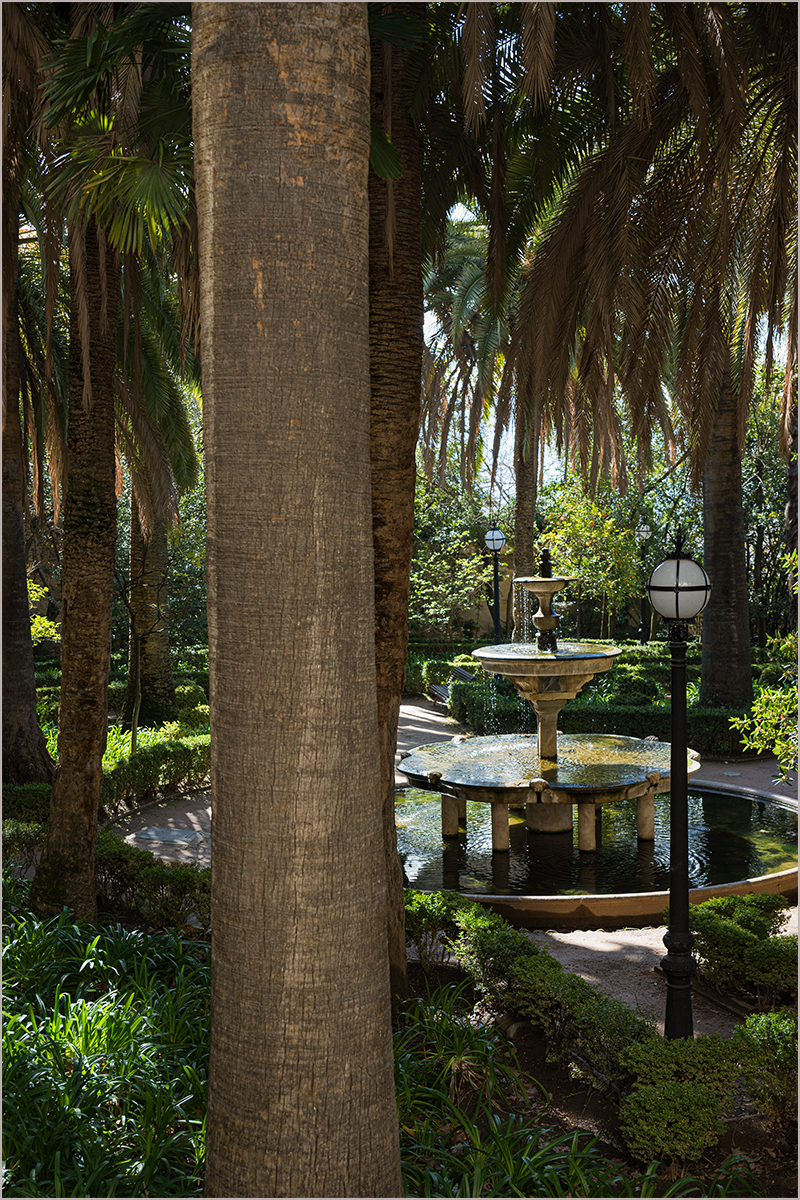
The house we reached was in a huge garden full of light and shade, created primarily by huge palm trees and echoing some of the ideas of the Alhambra for patios and water features. The house was about halfway up the same hill.
Access seemed not so easy and our leader was accosted by one man who said we had no right to be there….but was told by someone with greater authority that , while we were welcome to enjoy the gardens, this was not the house of de Falla: that was a couple of hundred metres away. Instead, we had stumbled across The Carmen de los Mártires, where St. John of the Cross had lived when he was prior of the Carmelite Convent of the Martyrs (1582-88). It has been home to Spanish Poets Laureate and through the garden is a trail of poetry from the winners of the City of Granada-Federico García Lorca International Poetry Prize, instituted in 2004, which year after year acknowledges the poets who have made the most significant contribution to Hispanic literature. I looked up some of the mystical poetry of St. John of the Cross and can’t help feeling that some of the intensity of the thought is lost in translation! I’m sure that must be true of the others, too.
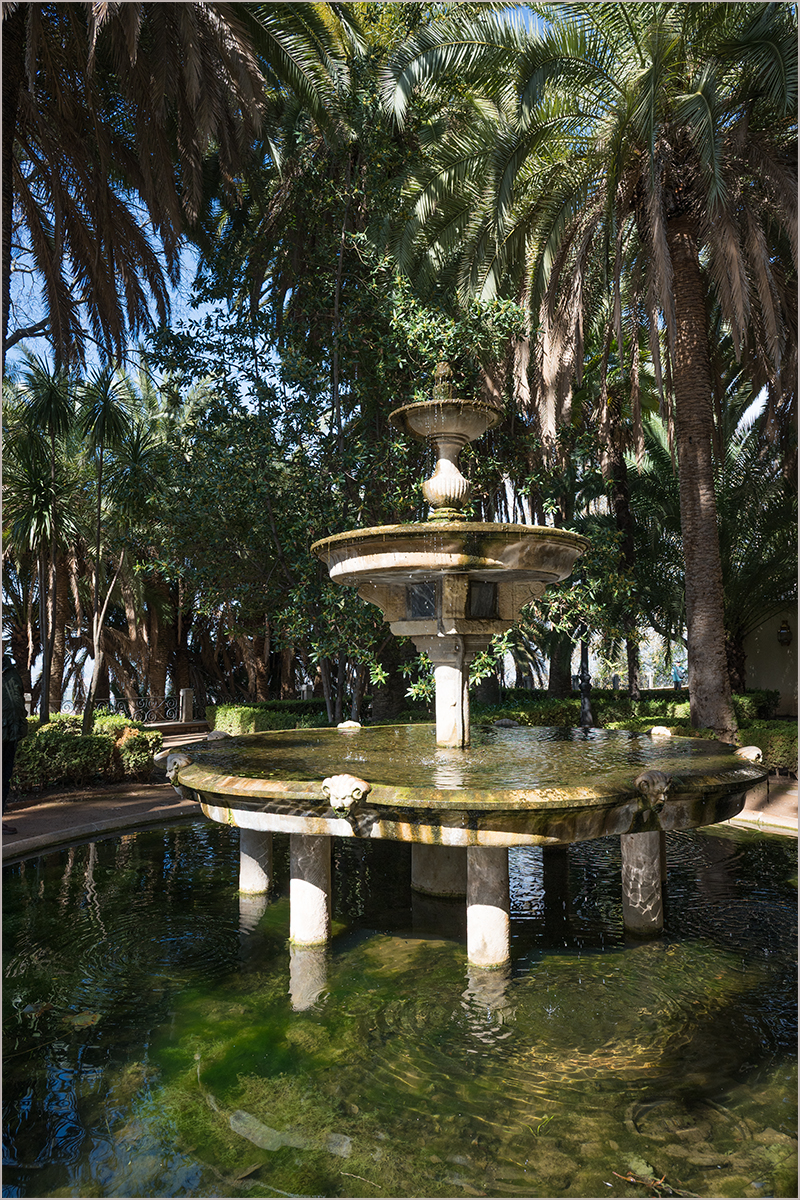
We really just scratched the surface, honestly not understanding the history of this garden, but now that I know I can fully understand its importance as a place of calm reflection. I could equally believe it to have been the home of someone as respected as de Falla.
de Falla’s house was almost next door but much less palatial. It is small, white-washed and almost built into the hillside as so many homes here. The rooms are tiny and when you think of de Falla playing the piano to his many creative friends – artists, poets, fellow composers – it’s a fitting reminder that creativity is often found in the humblest of homes. And it was good to see we were sharing the visit with what seemed like a whole year group of seven or eight year olds being introduced early to Spanish culture. I wonder how impressed they were at seeing the chair where Debussy, Lorca or Picasso may have sat and the instruments played by de Falla himself?
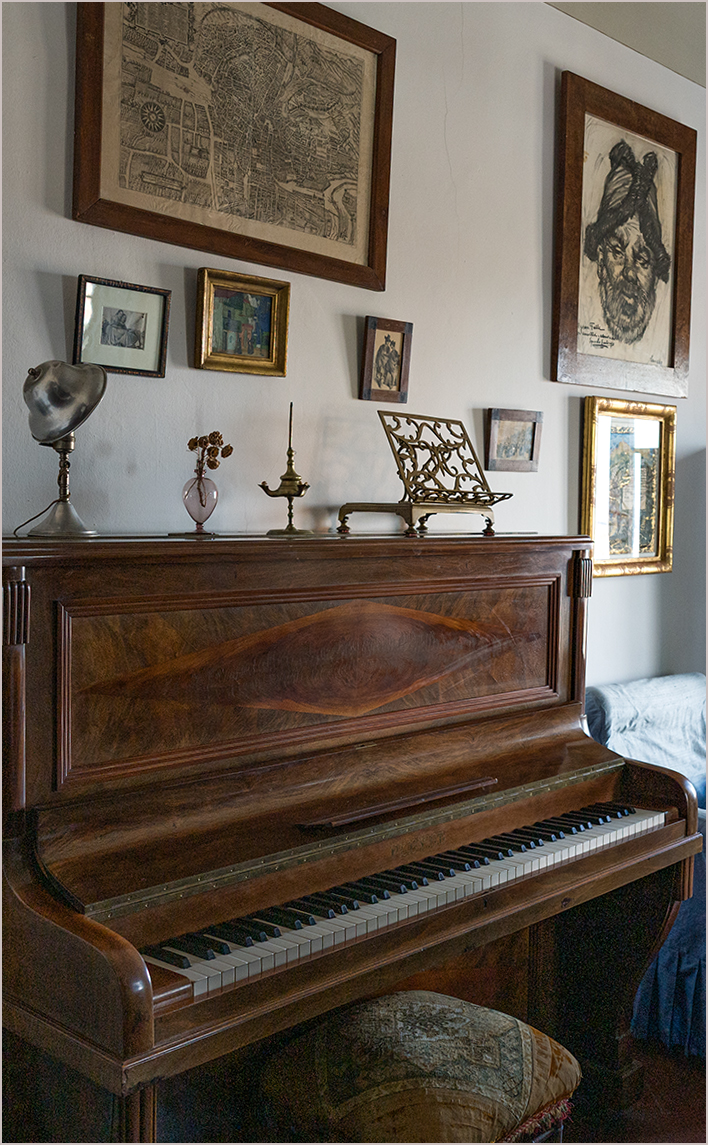
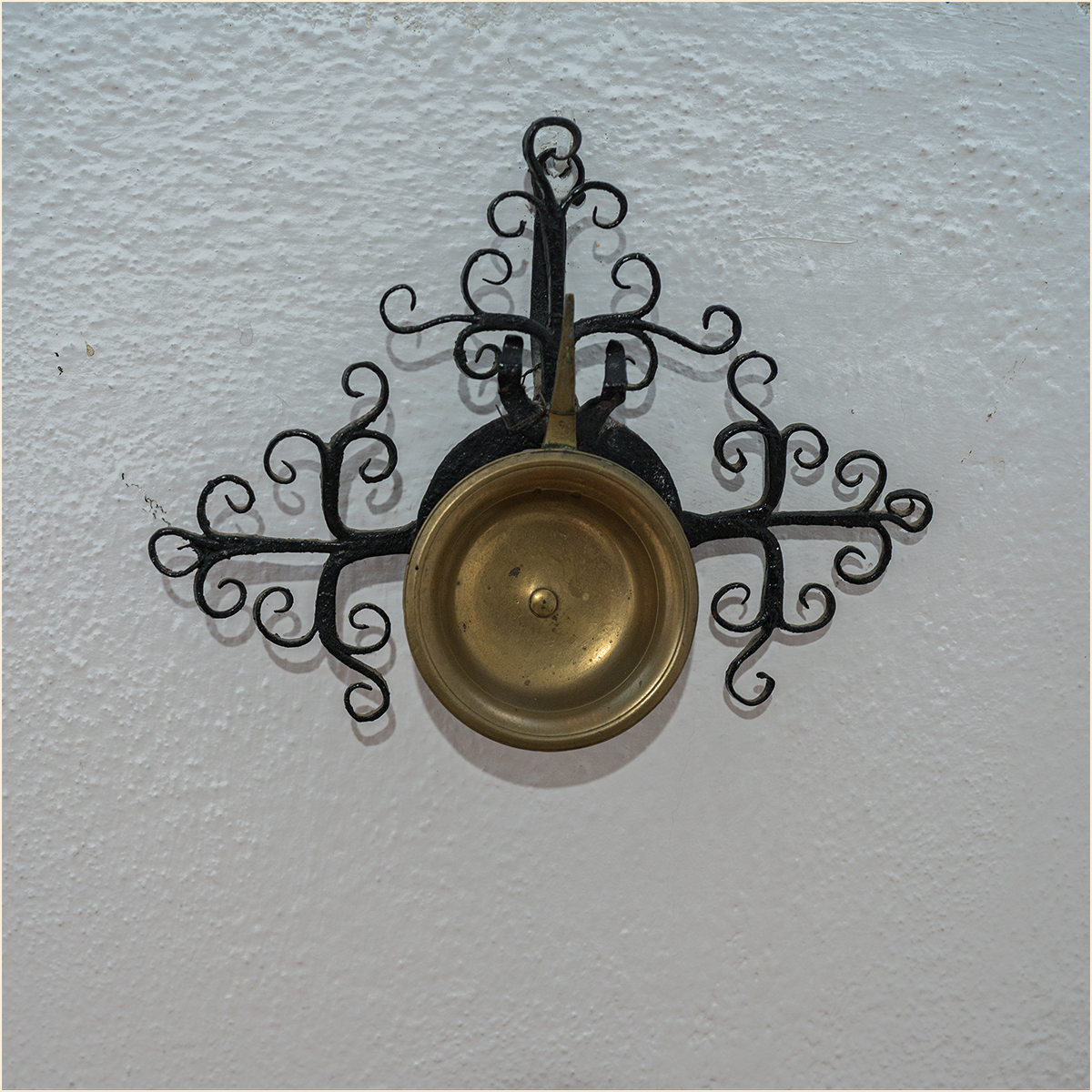
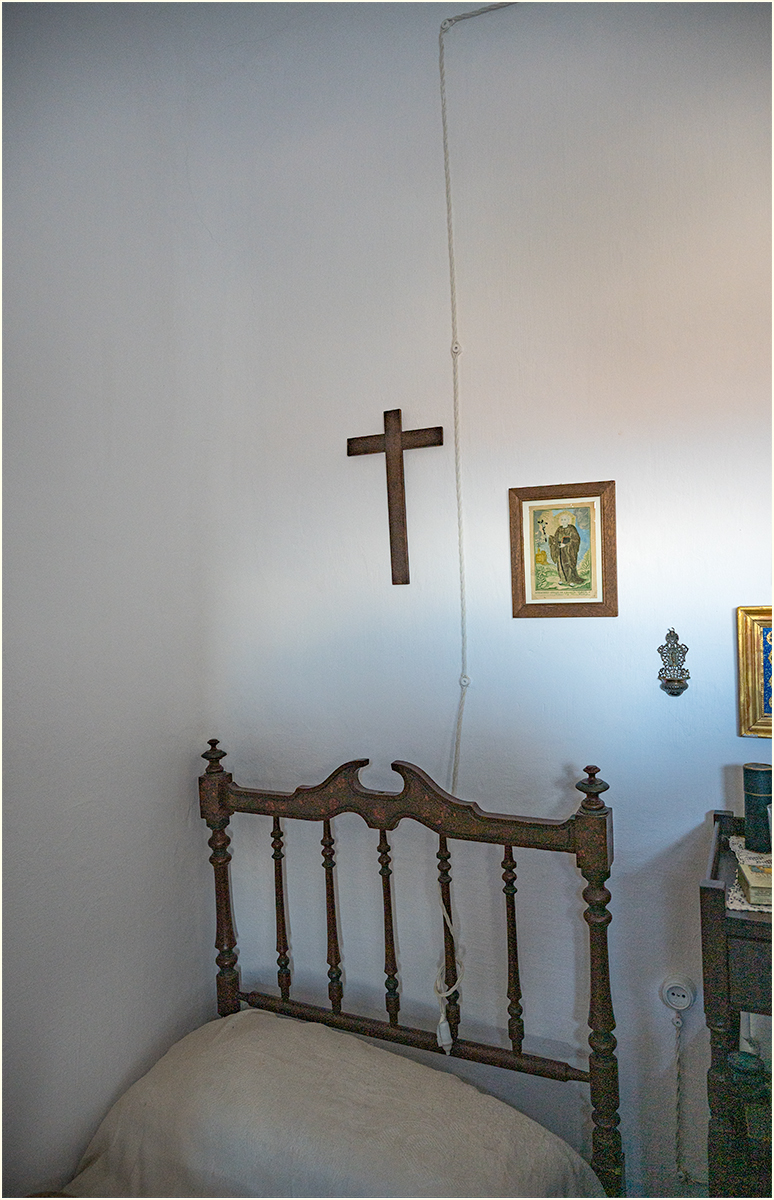
Sad to think that everything is as it was in de Falla’s time because, during the Spanish Civil War, after the death/execution of his friend, the poet Federico Garcia- Lorca, de Falla fled to Argentina and it was there that he died.
This was an all-too-brief visit to a fascinating glimpse into the life of an important figure in Spanish culture.
And it made an interesting comparison to our next stop – a few metres up the hill towards the Alhambra, the five star Alhambra Palace Hotel: time for coffee. One of the really nice things about this group was that we all seemed to recognise the need for caffeine at the same time!
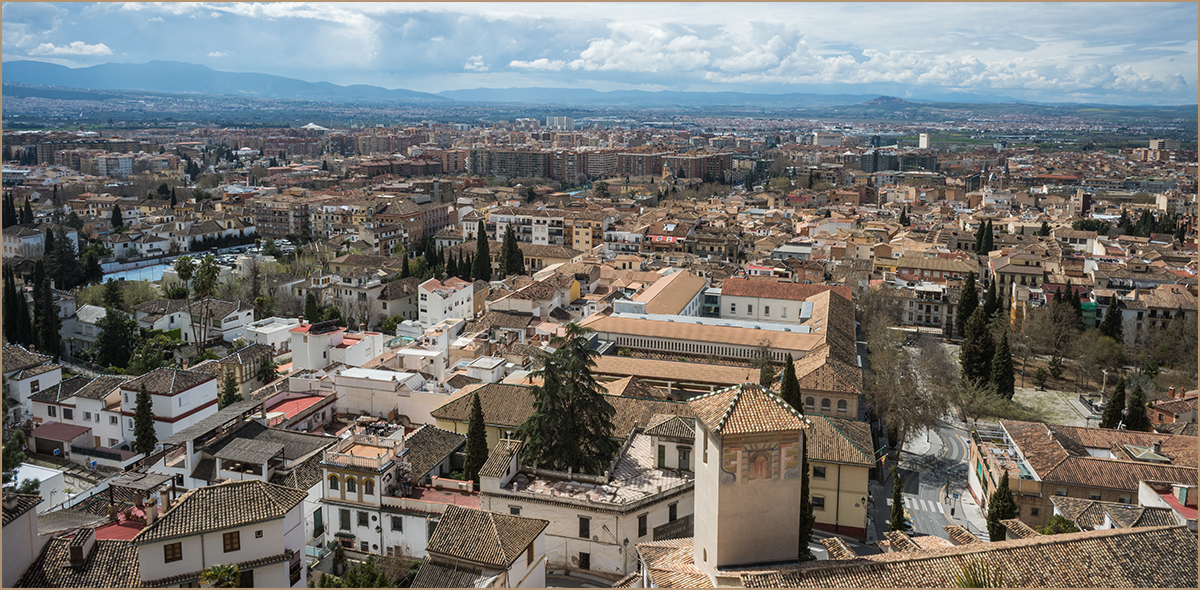
From the hotel’s terrace, where we enjoyed the sun as well as the coffee, there were views over the city which made it possible almost to determine the various ‘layers’ of its growth as different architectural styles became evident.
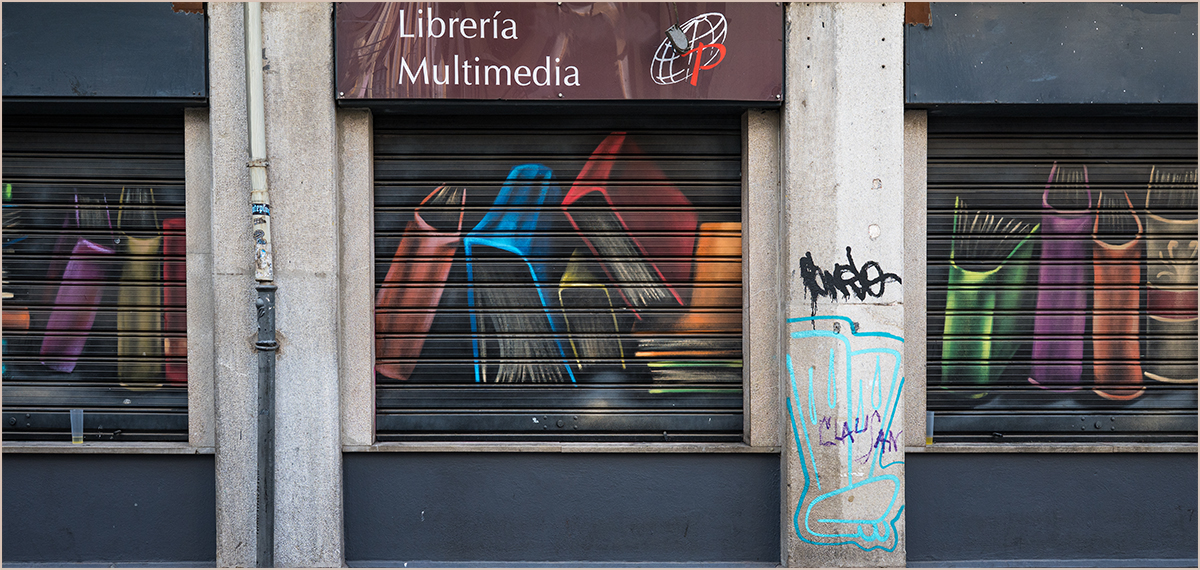
A walk down the hill brought us to the street art we had commented on during our taxi and bus rides. There’s a lot of it around! Mostly it was on shutters or long walls but there were some examples where house fronts had been taken over as here. I wonder how many drivers missed that road sign?!
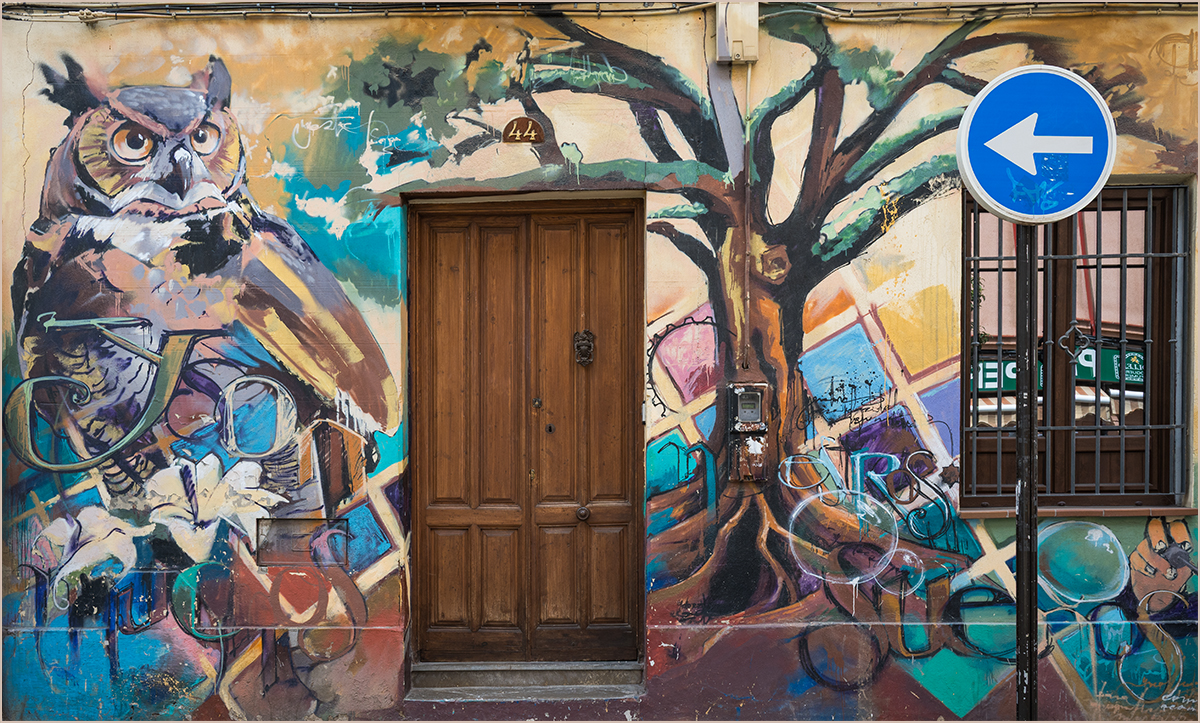
Many demonstrated real artistic skill…

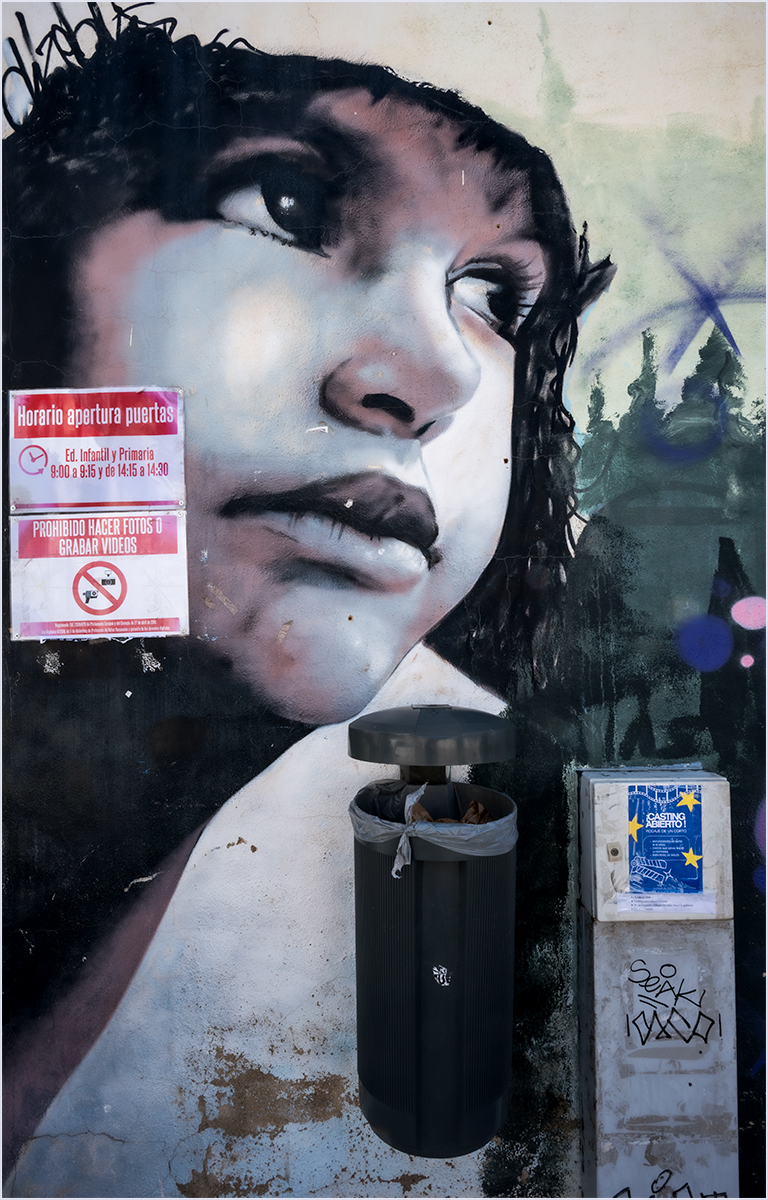
Some might even be considered useful!
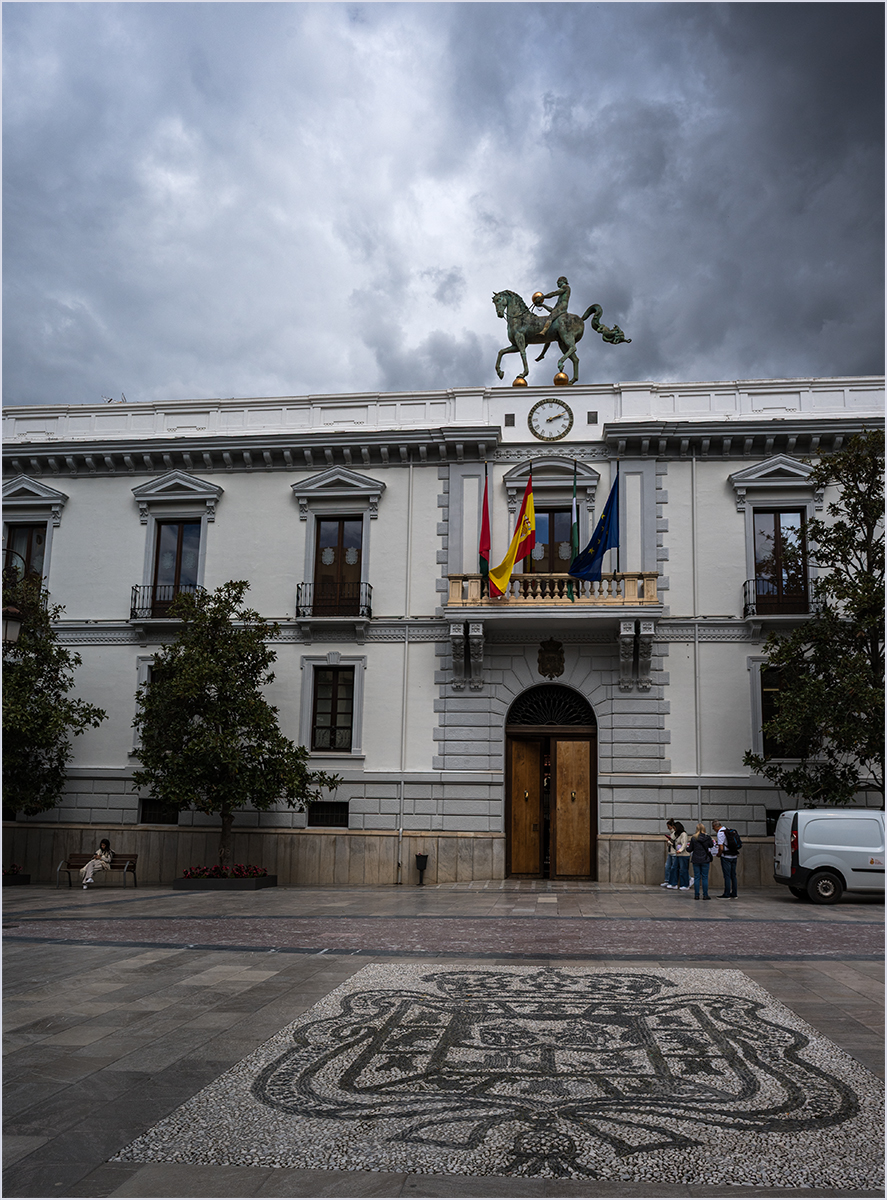
So our walk back down the hill was interesting – and much shorter than I had expected despite a detour through Plaza del Carmen, clearly a local high spot with the City Council building, lots of eating places and even shopping.
Siesta time – but the day’s not done!
This was our last – and probably fullest – day in Granada and we were off to a flamenco performance in Sacromonte later. I didn’t know then that we had already see the location of the show from the Alhambra.
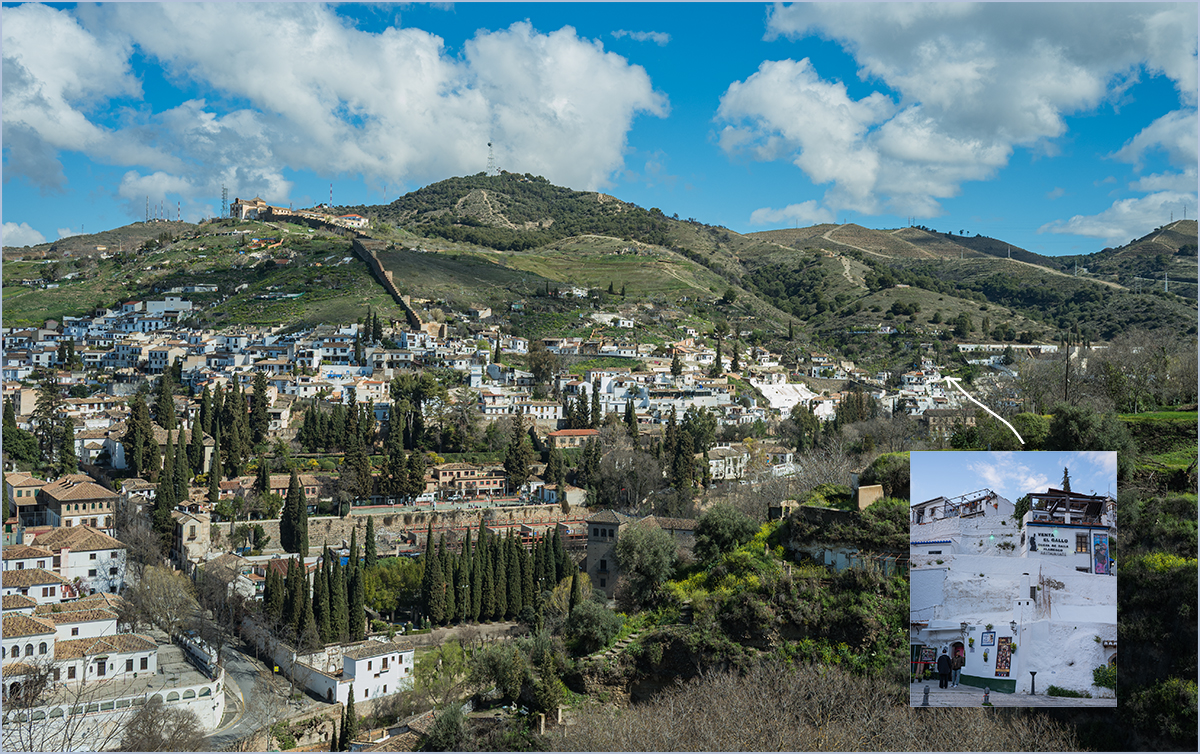
If you fancy sharing the experience, look out for Michael Portillo’s visit to Granada: he went to the same place. This was to be the genuine article in the heart of Sacromonte, the home of the flamenco, with the performance in a traditional cave house built into the mountain.
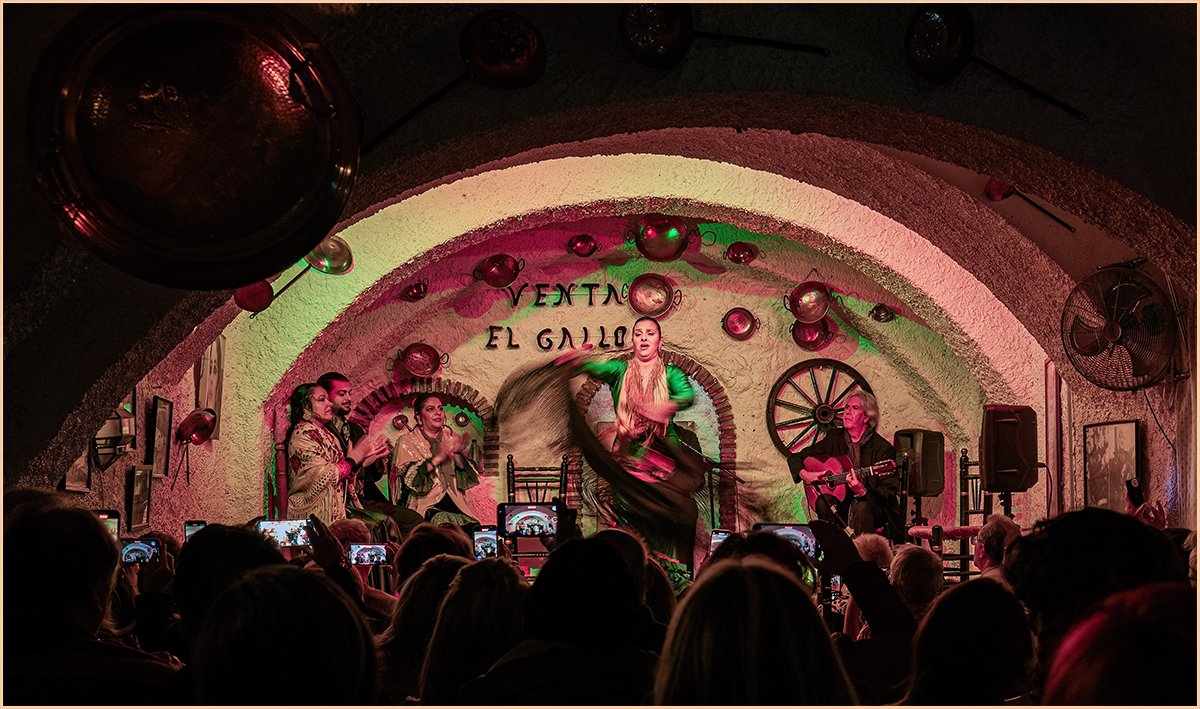
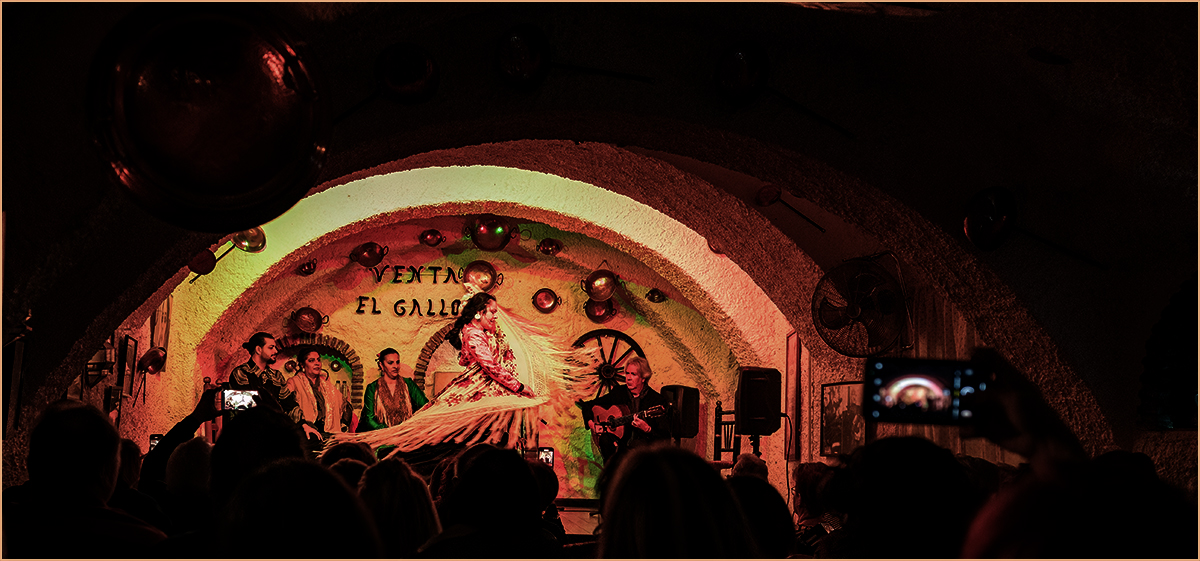
The conditions for photography were not brilliant, but, in some ways, the experience was more important and it was an enjoyable way to spend our last evening in Granada. After a dash for the last bus which proved not to be, we decided to wait for a couple of the others who were not at the bus stop. They had decided to walk down, so we did, too – succumbing to a taxi for the last mile or so. The walk was a reversal of what we had done the first morning, so that, too, was a pleasant ending to a memorable few days.
Hasta la vista, Granada!
 Living the Journey